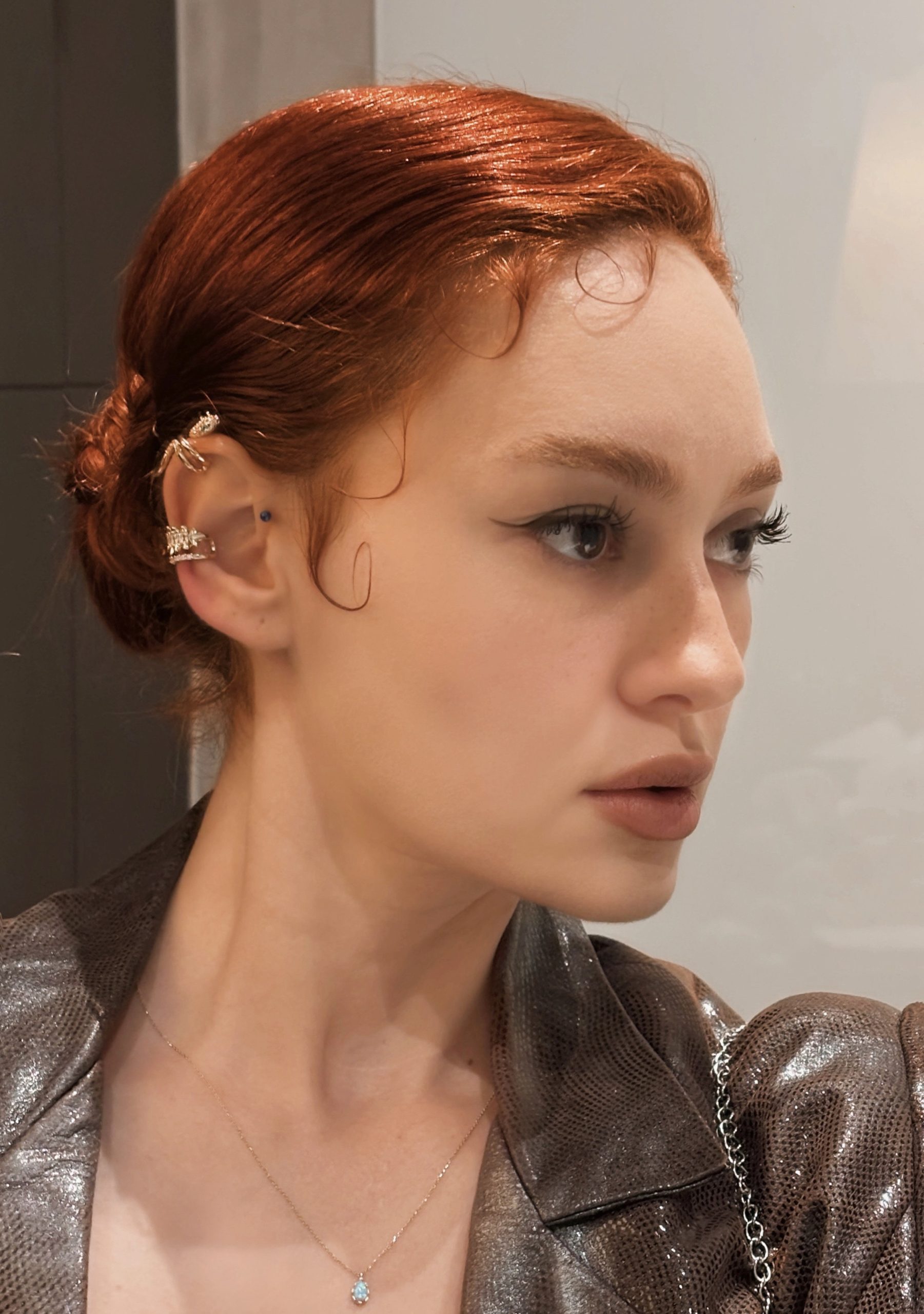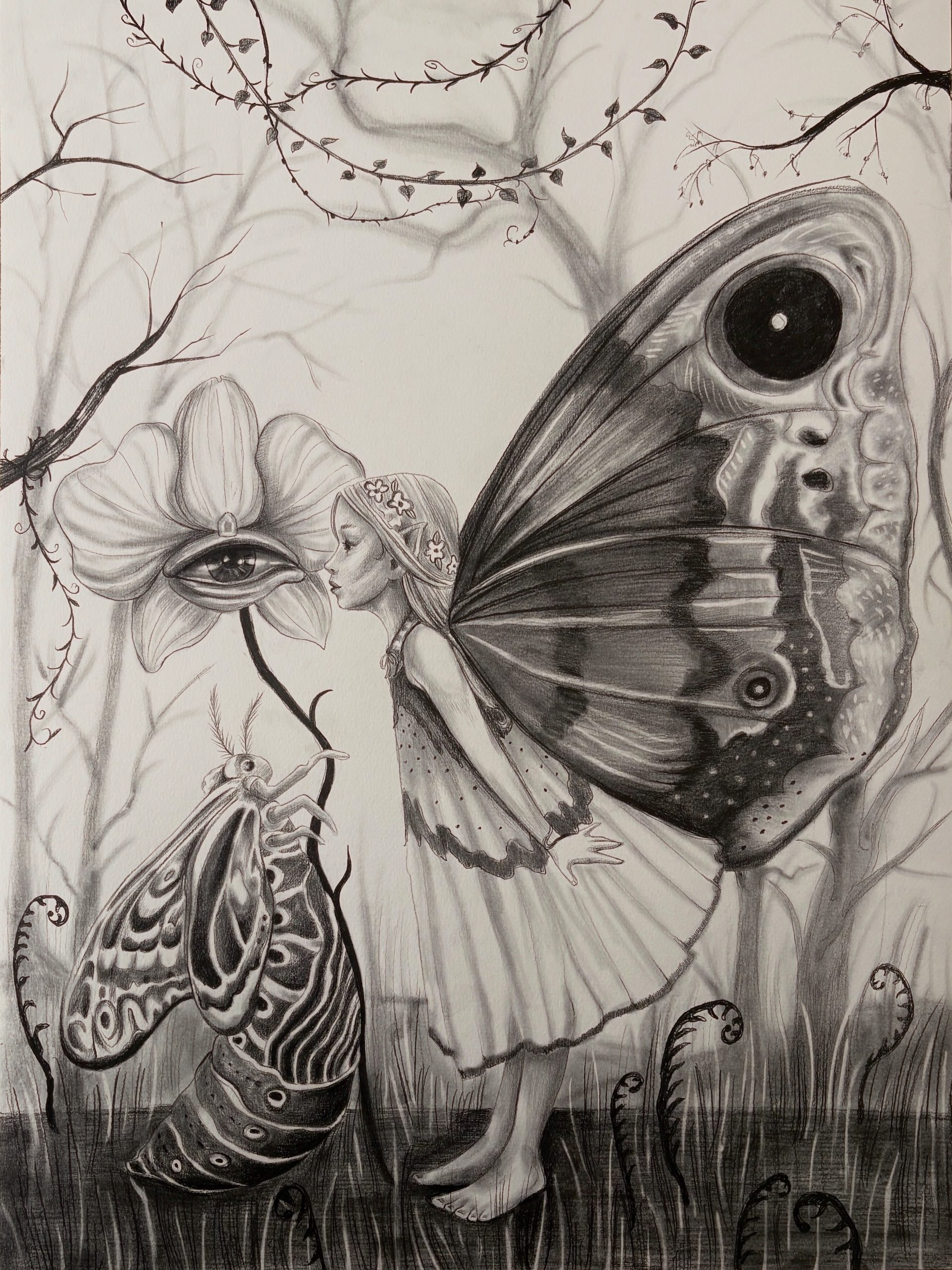
Between Vibration and Form
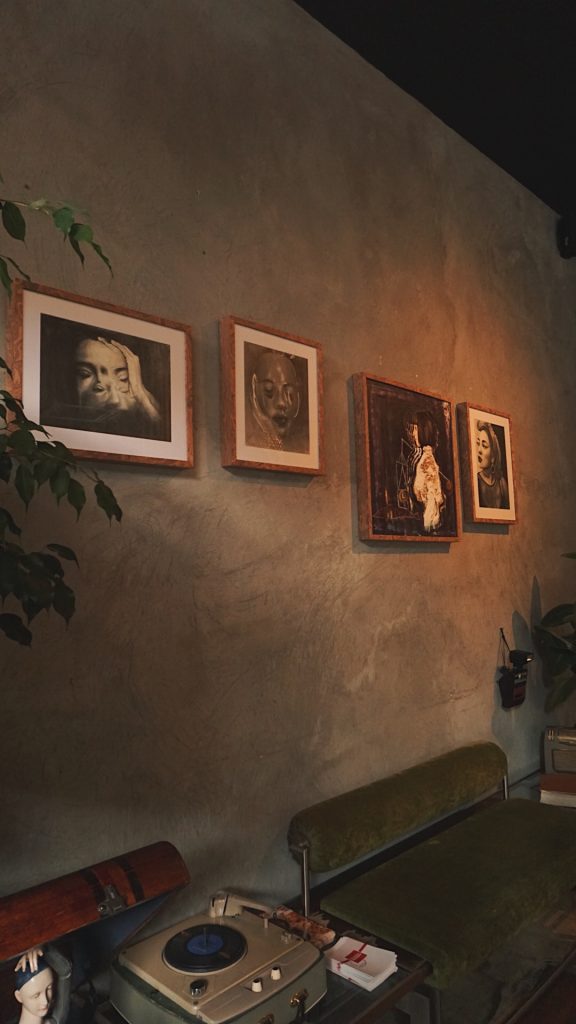
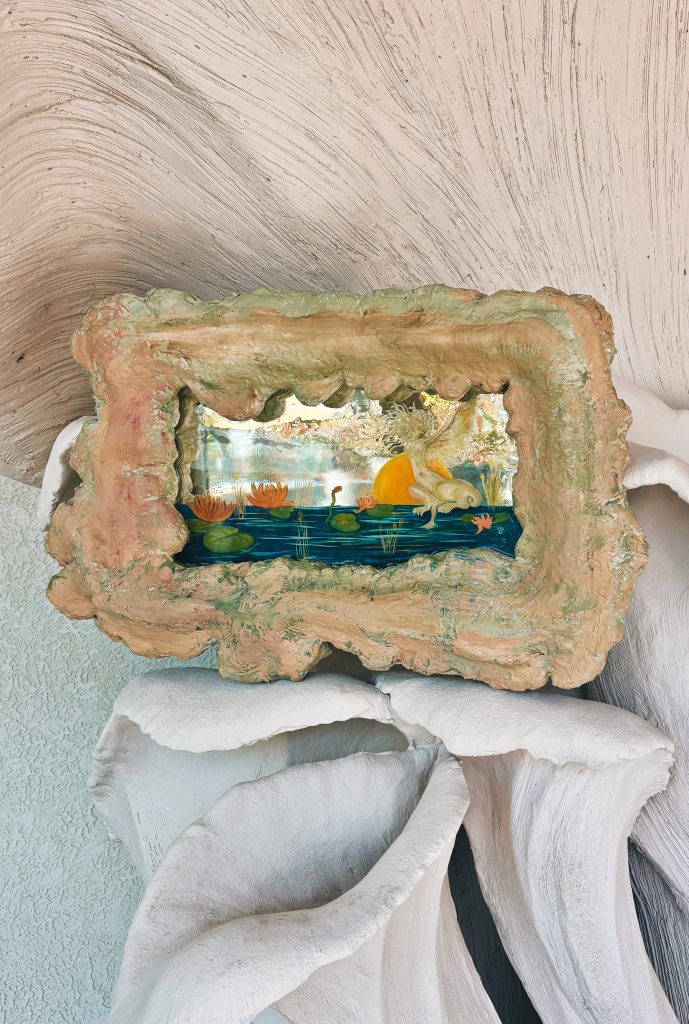
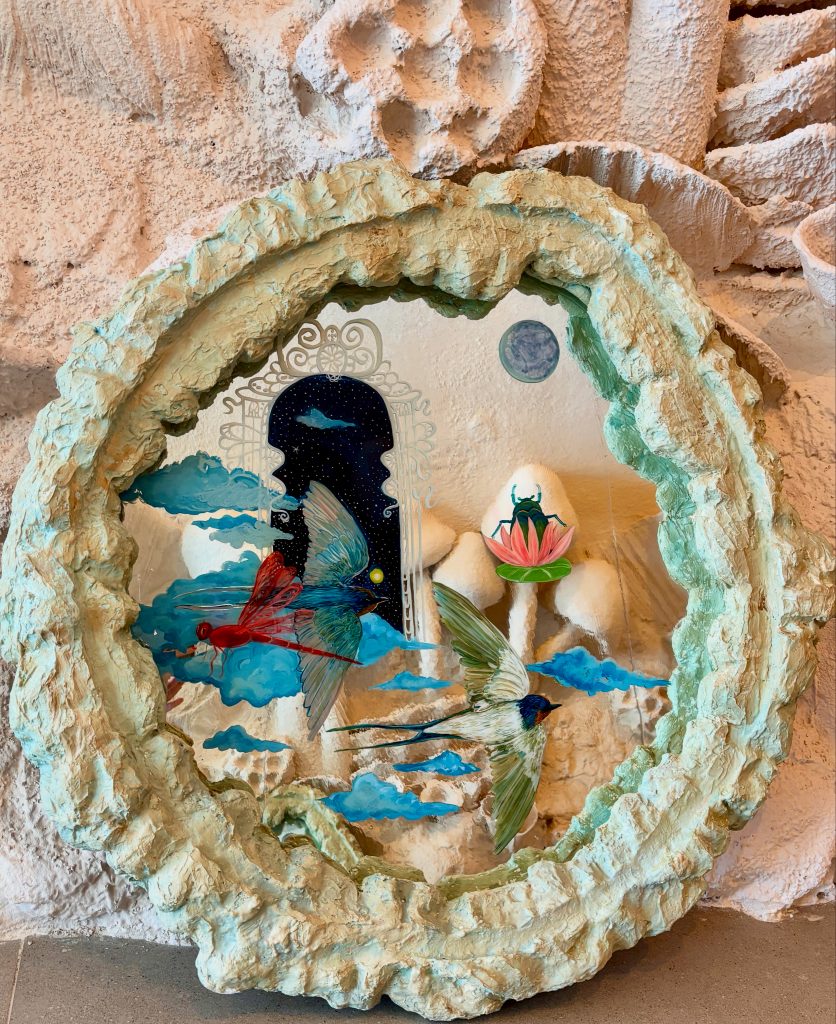
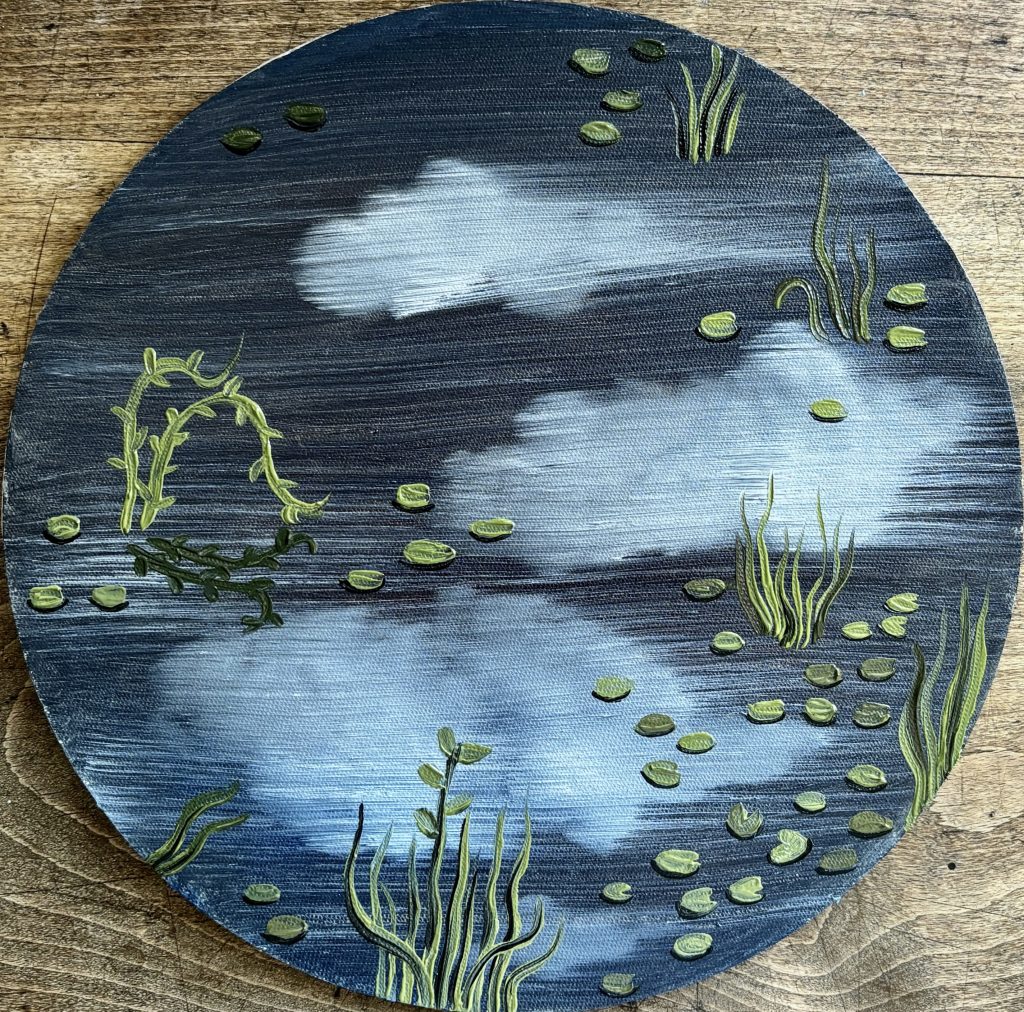
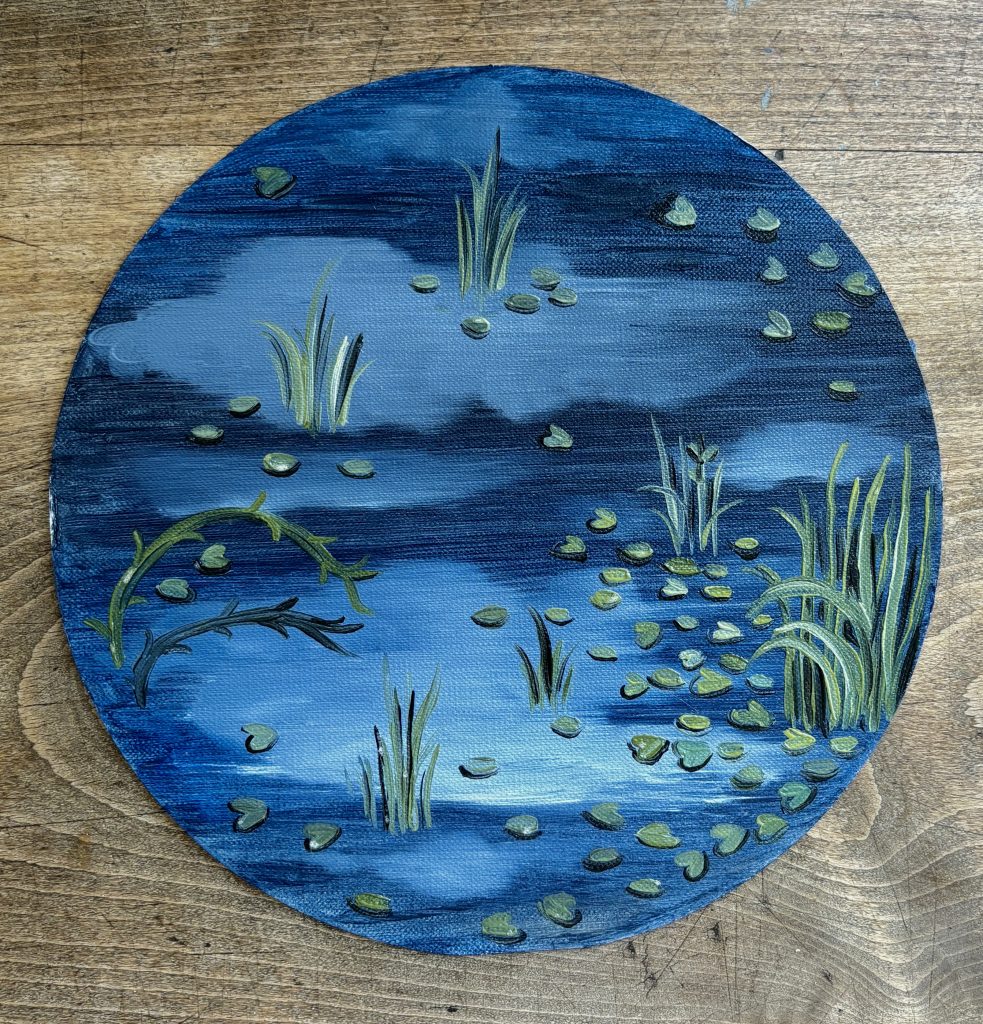
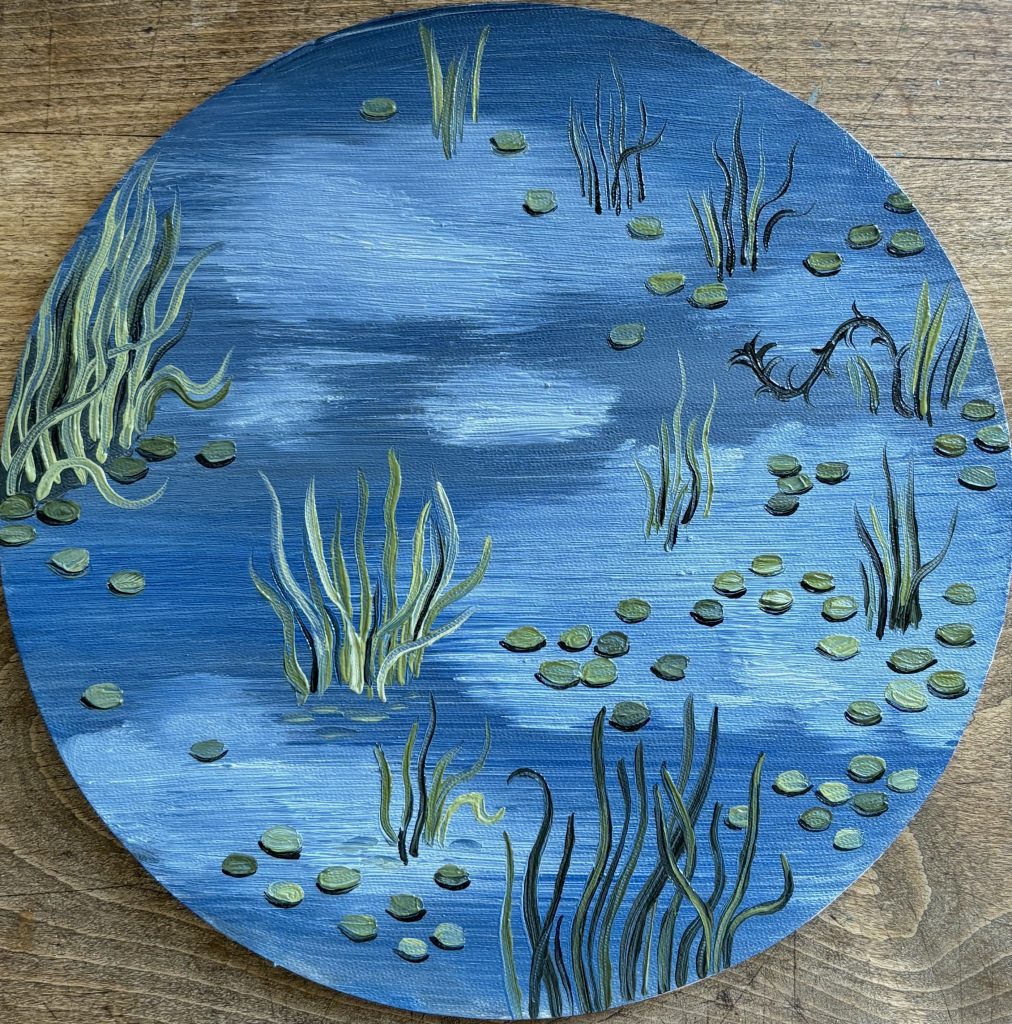
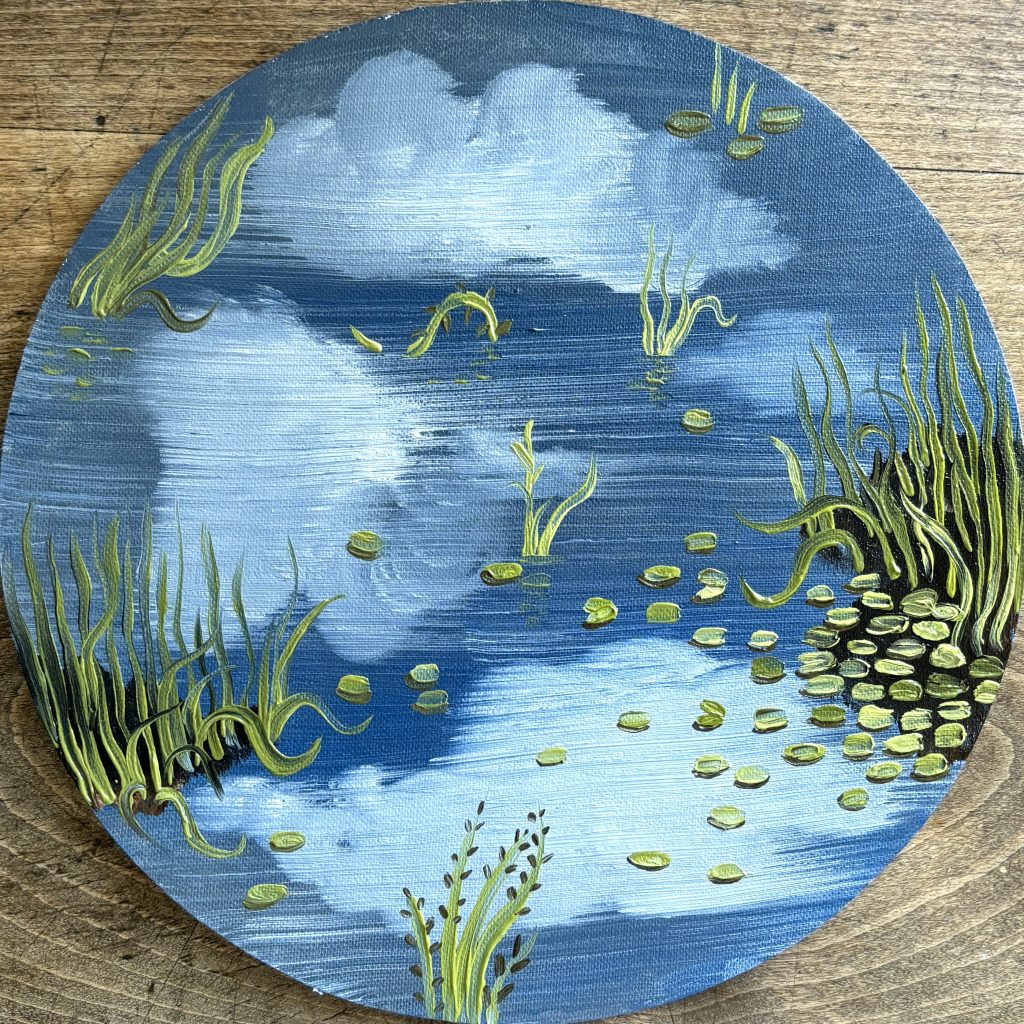
Merve Turgut’s practice centers on a plastic investigation of states of being rather than representation. For the artist, the canvas is not merely a surface upon which images are produced, but a dynamic threshold between consciousness and matter. The forms that emerge within her paintings resist fixed identities; form exists not to be defined, but to transform.
Her process is layered and temporal. Paint accumulates, is erased, scraped, and reconstructed. Earlier layers are not entirely concealed; they persist as the memory of the surface. Variations in pigment density alter the way light interacts with the painting, generating both optical and physical depth. As a result, the works function not only as visual compositions but as material fields of experience.
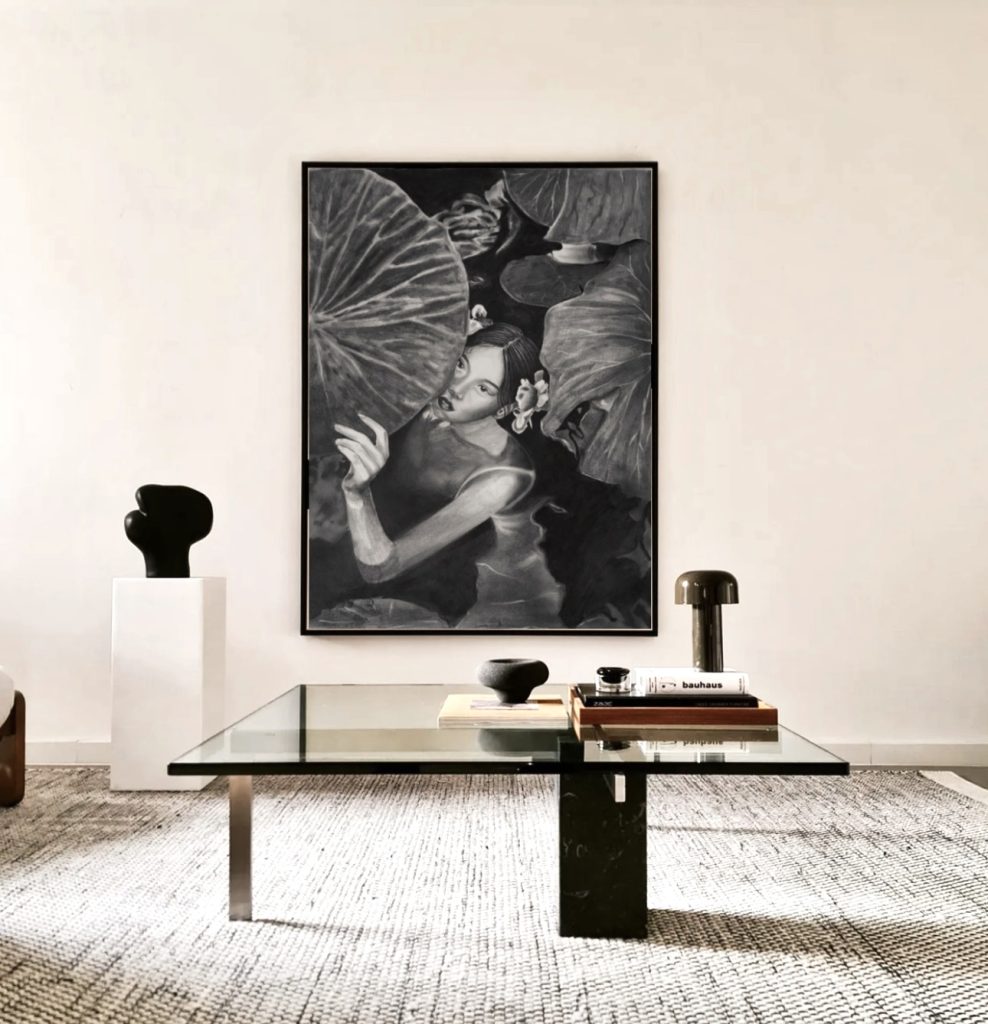
Color operates as a structural force. Space is not constructed through linear perspective but through tonal shifts, density, and relational contrasts. The movement of color fields — their proximity and withdrawal — establishes spatial perception while producing an internal vibration. This vibration destabilizes the boundary between figure and ground; forms dissolve and re-condense within the surface.
Turgut’s approach locates being not in transcendence, but in the immanent movement of matter itself. Archetypal or spiritual resonances do not appear as explicit symbols; instead, they are sensed through formal tension and the subtle disintegration of surface. The unseen is not illustrated — it is suggested from within the material presence of paint.
Her paintings exist in the tension between vibration and form. Each composition stages a renewed encounter between the physicality of paint and an intuitive field of perception. The resulting works inhabit the intersection of structural inquiry and an immanent understanding of existence.
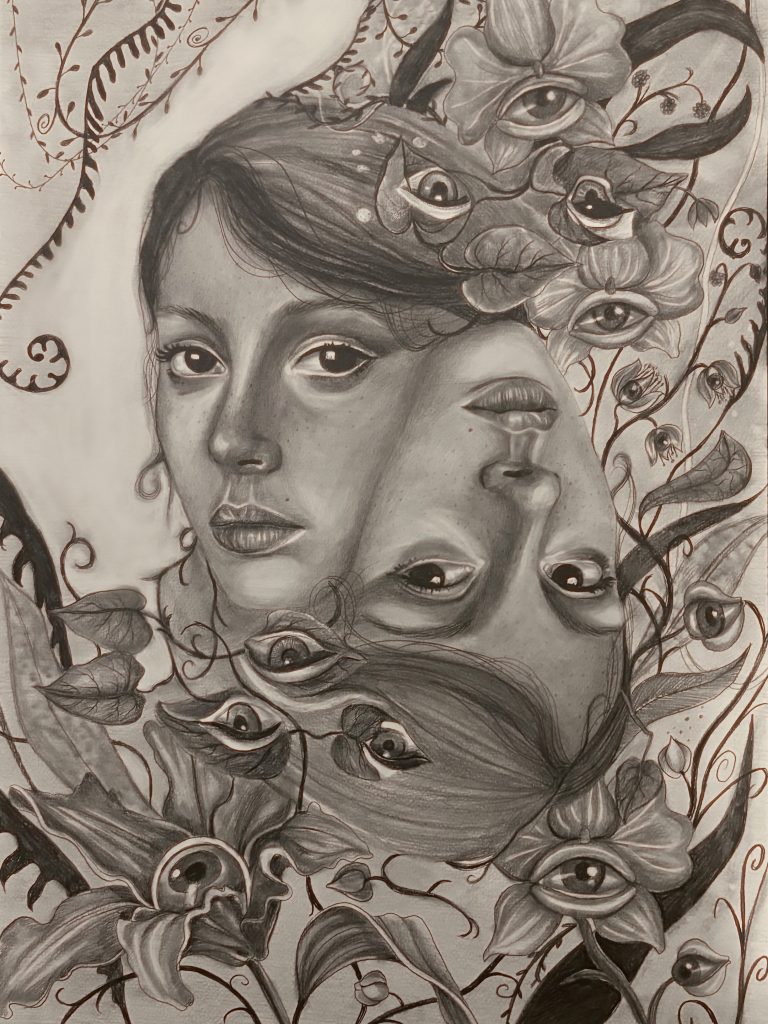
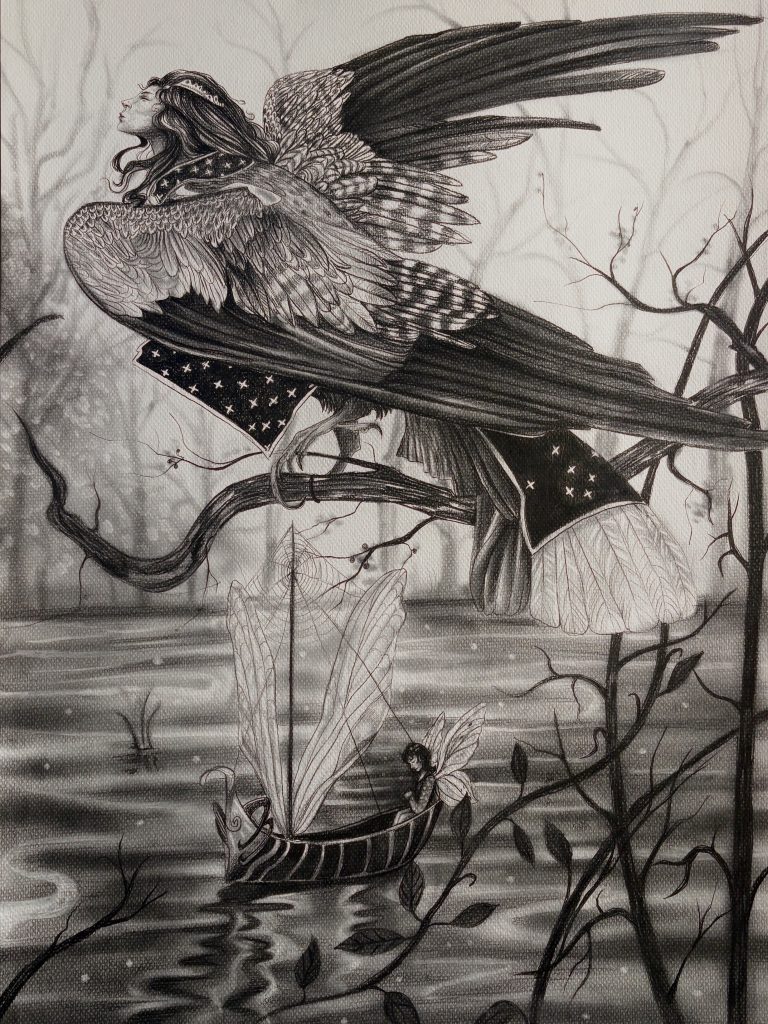
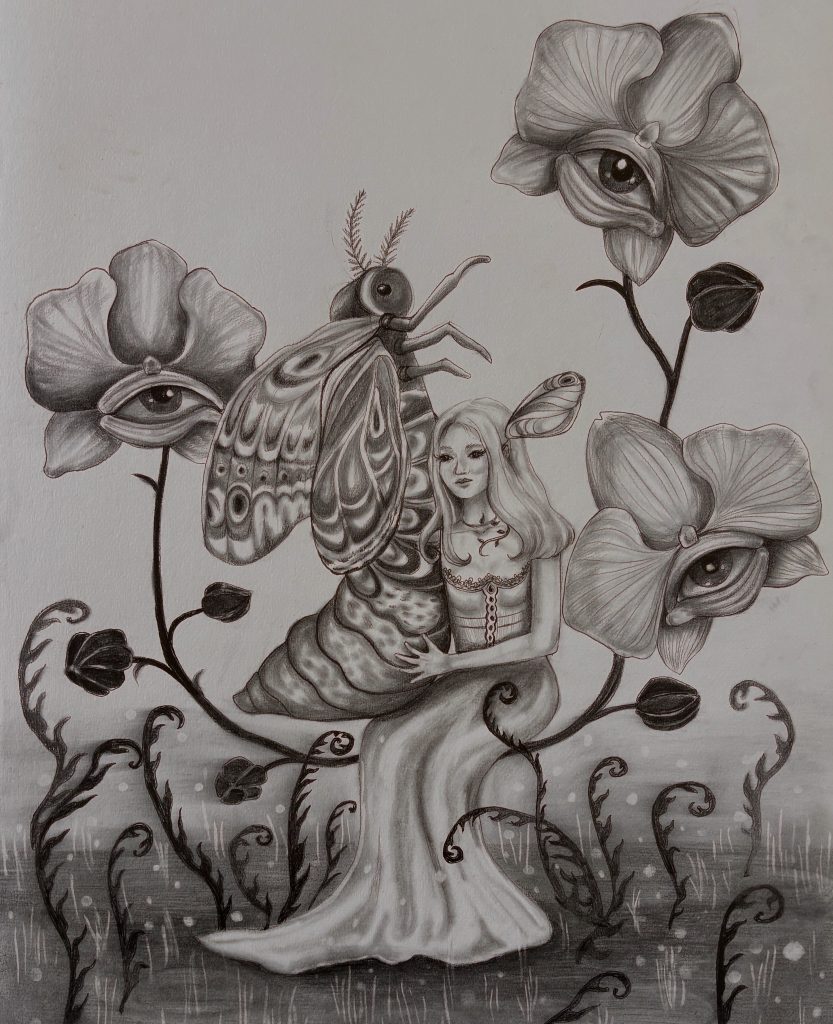
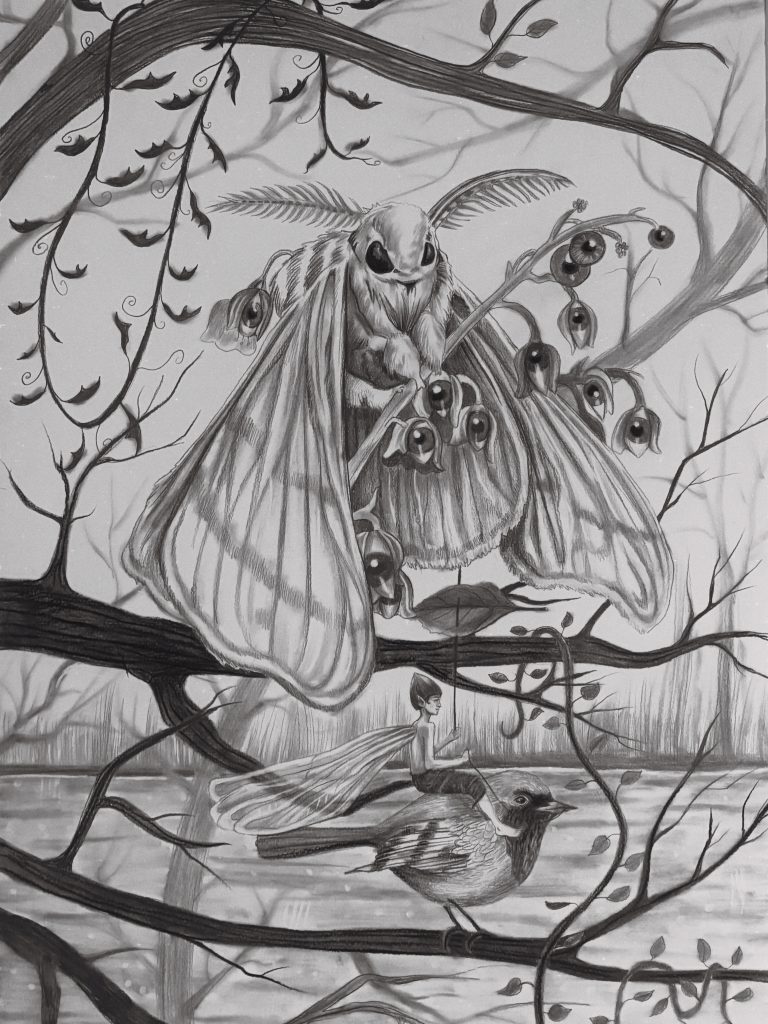
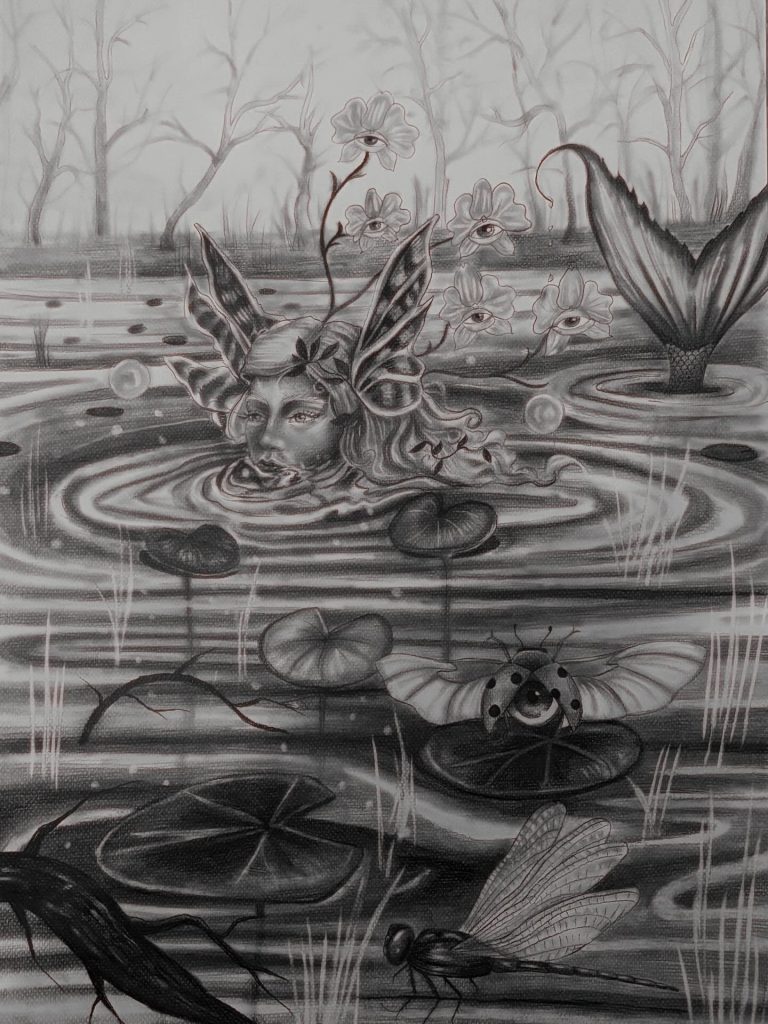
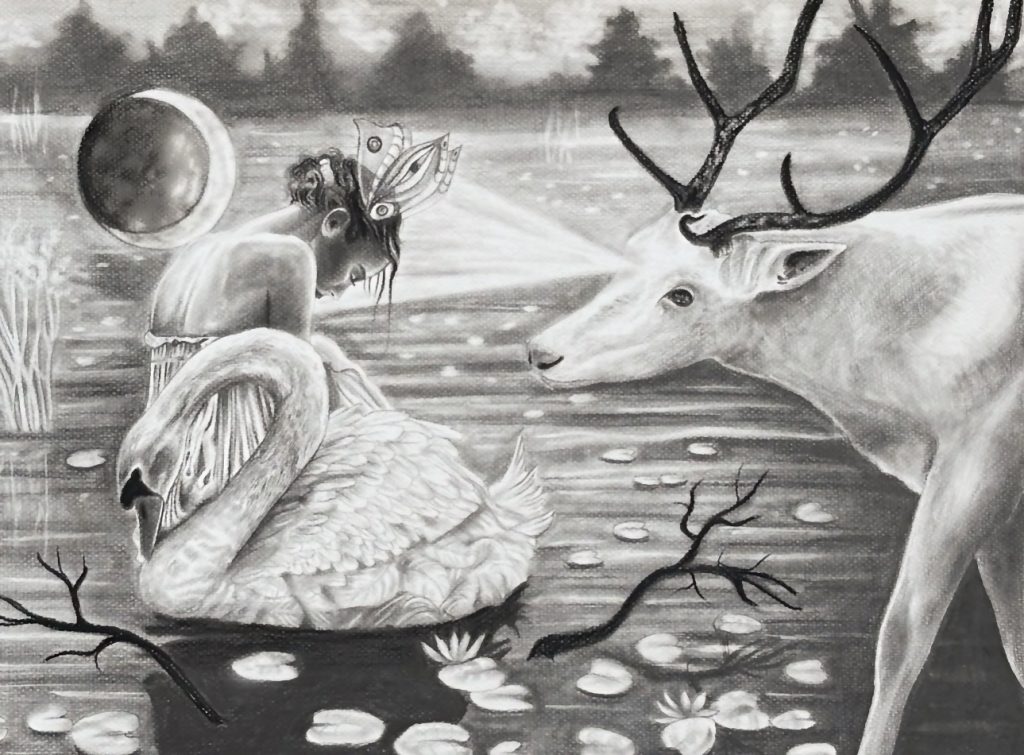
Inner Traces
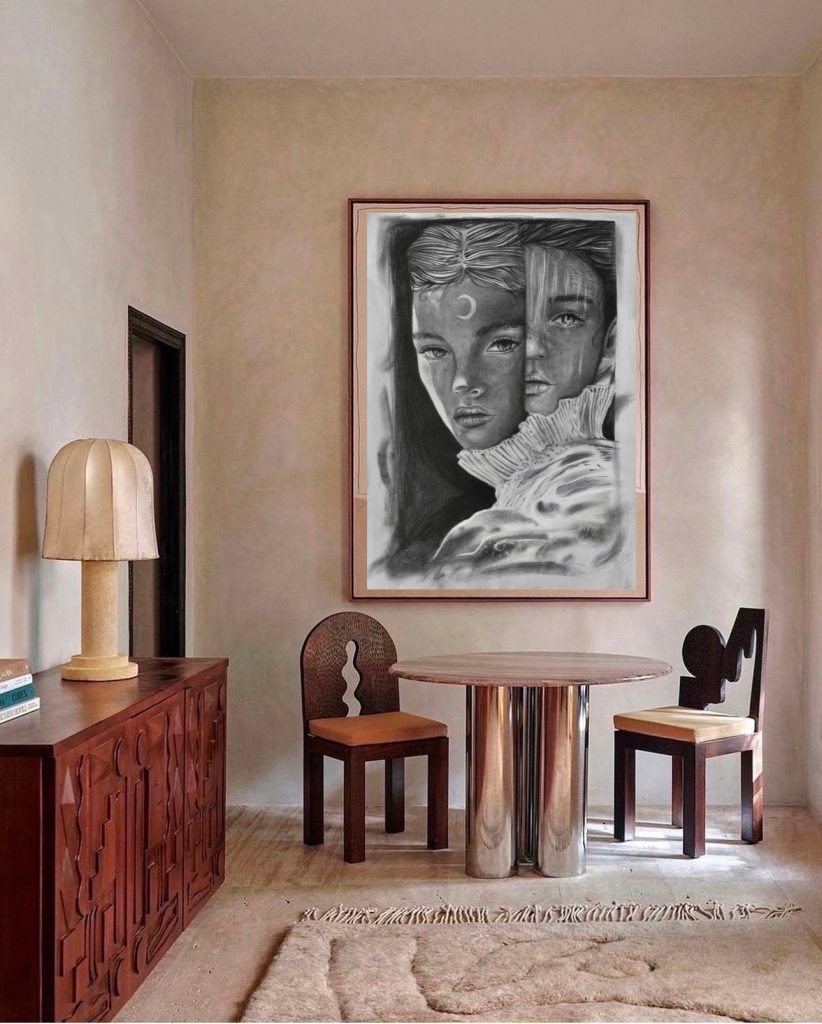
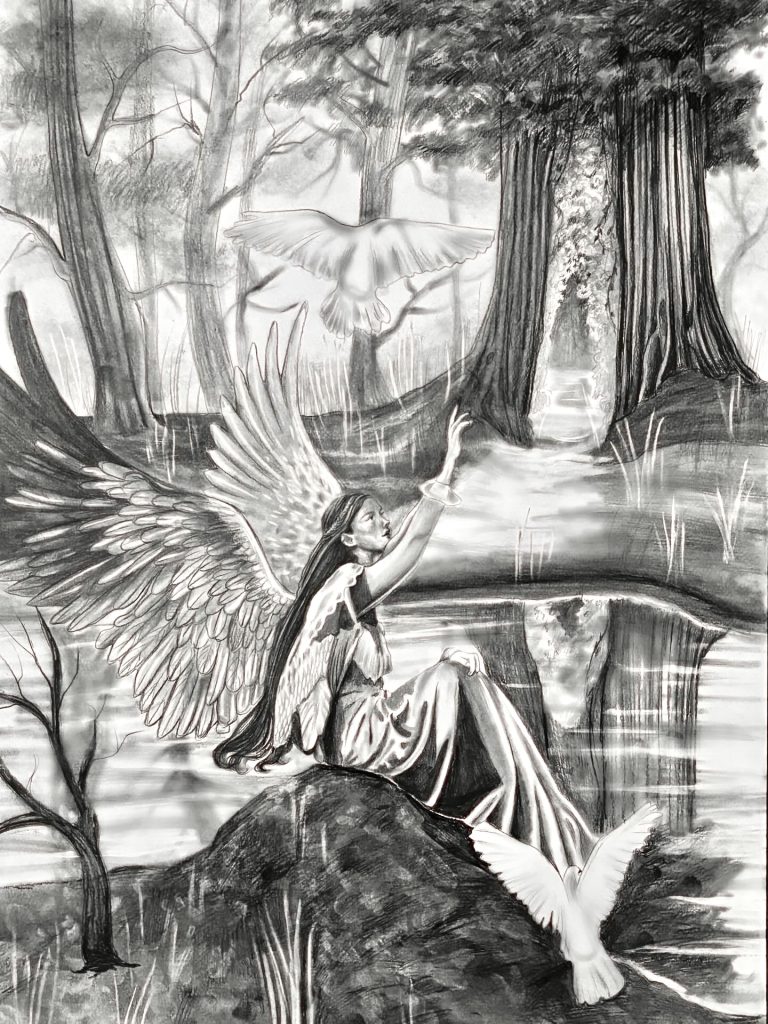
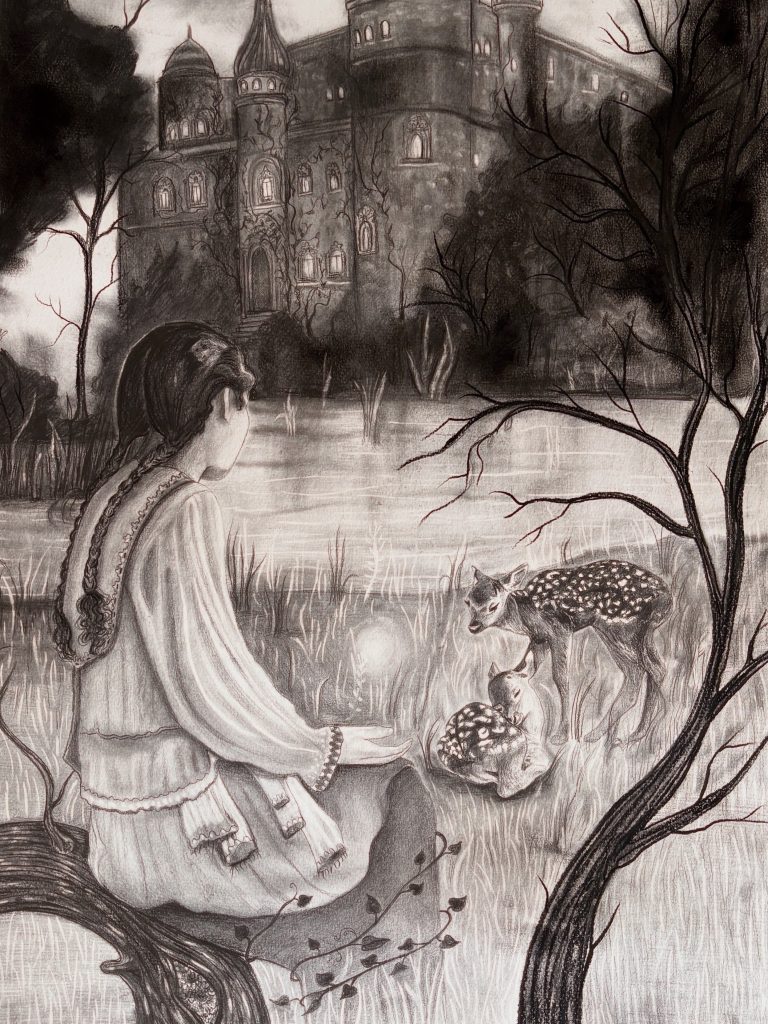
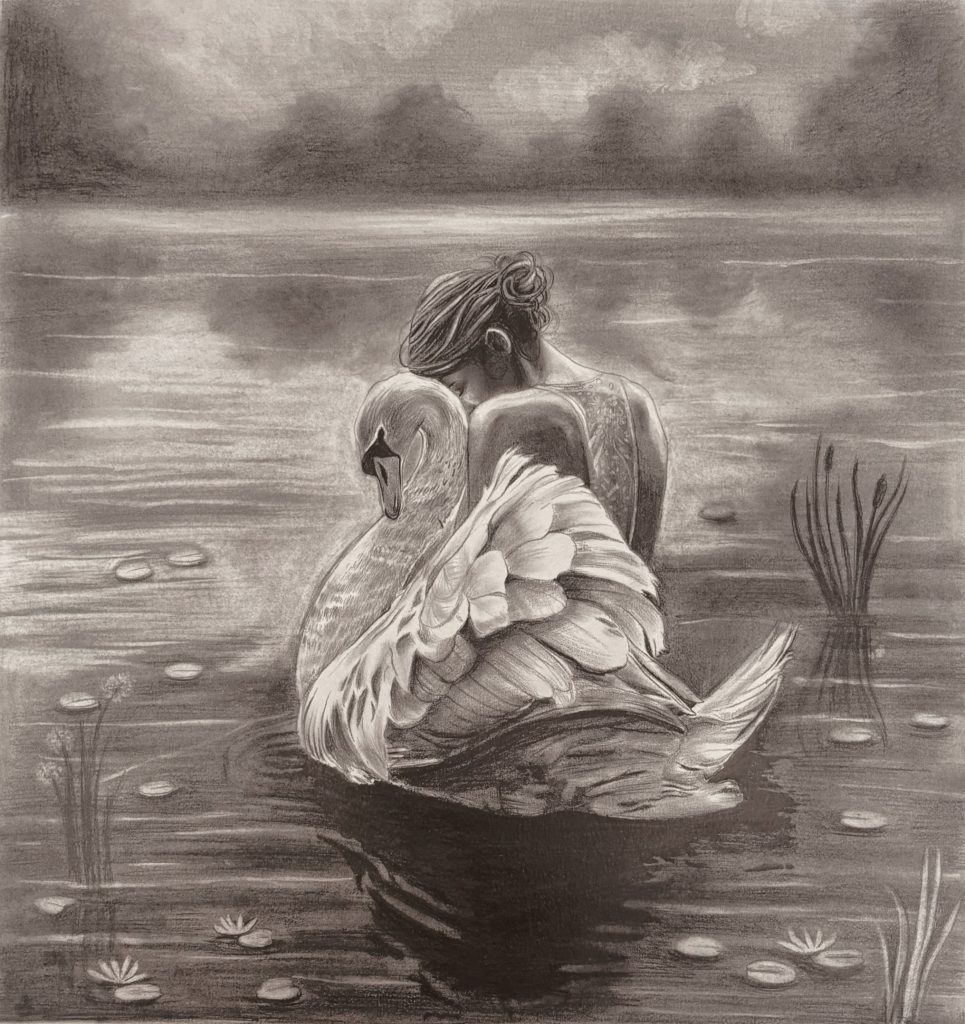
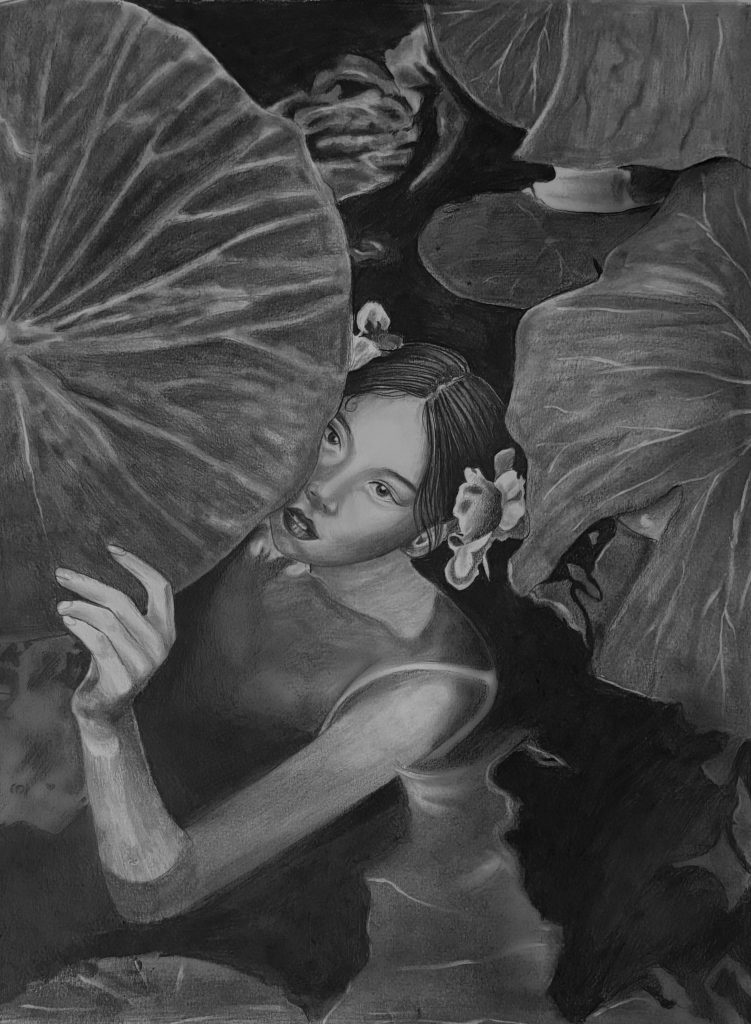
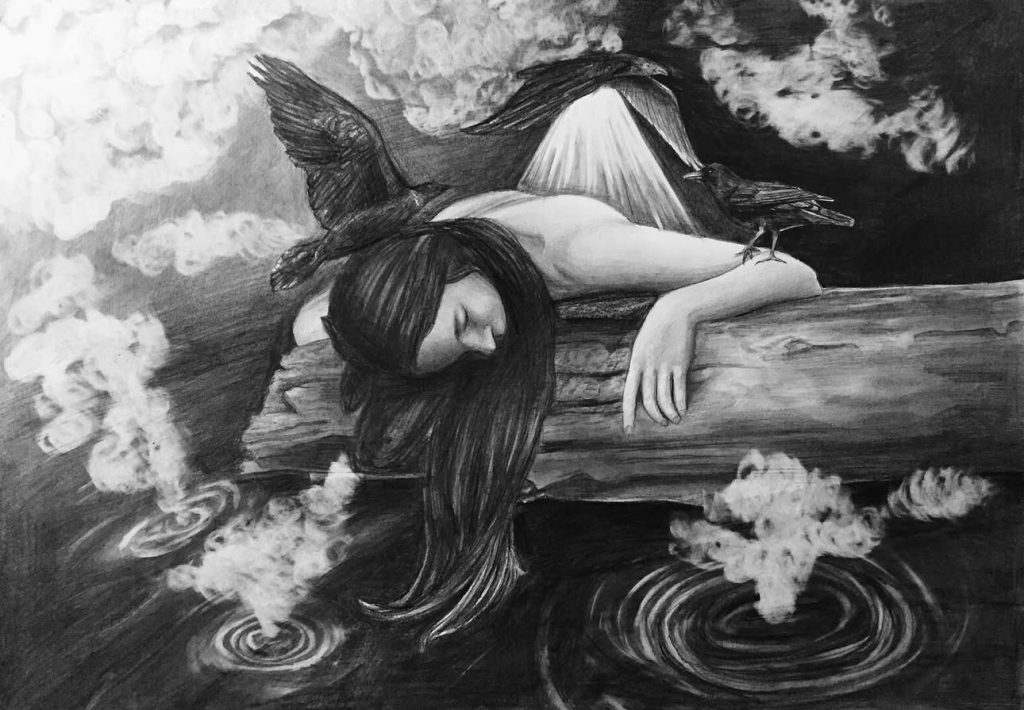
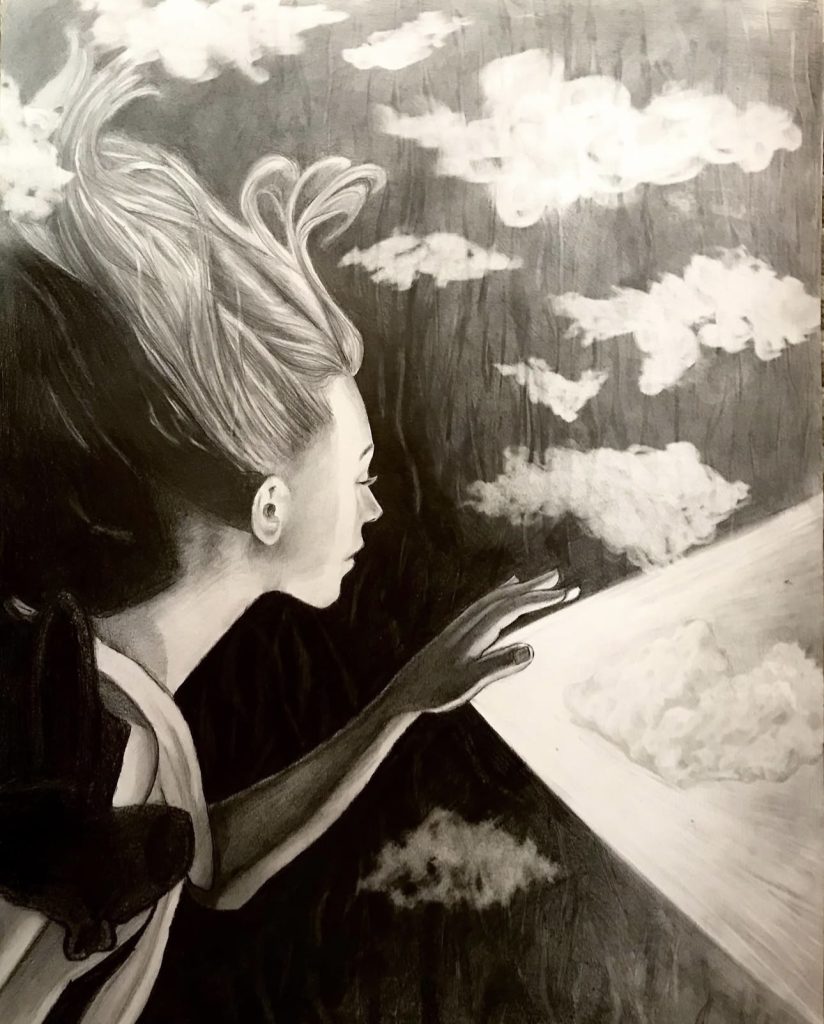
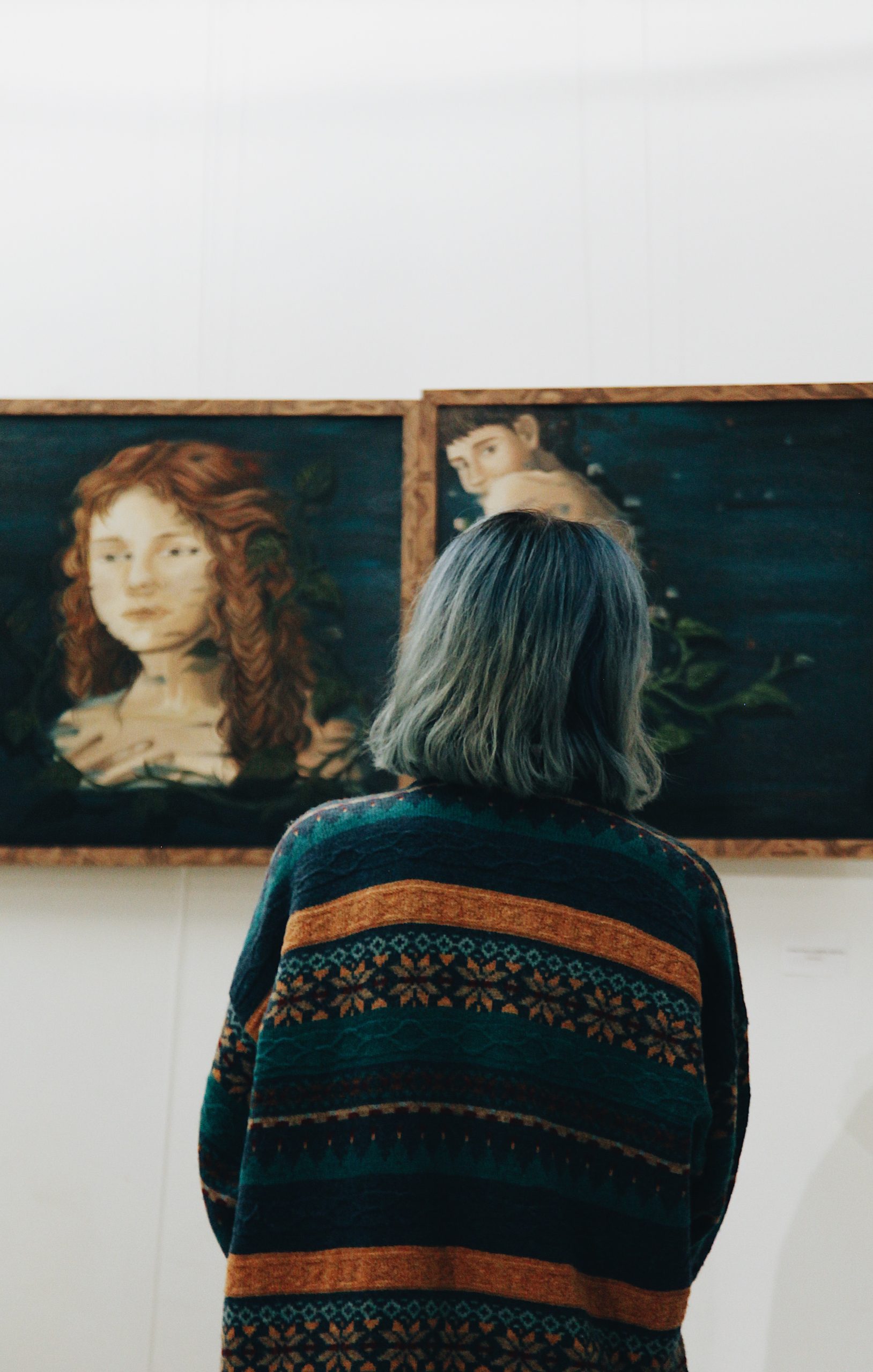
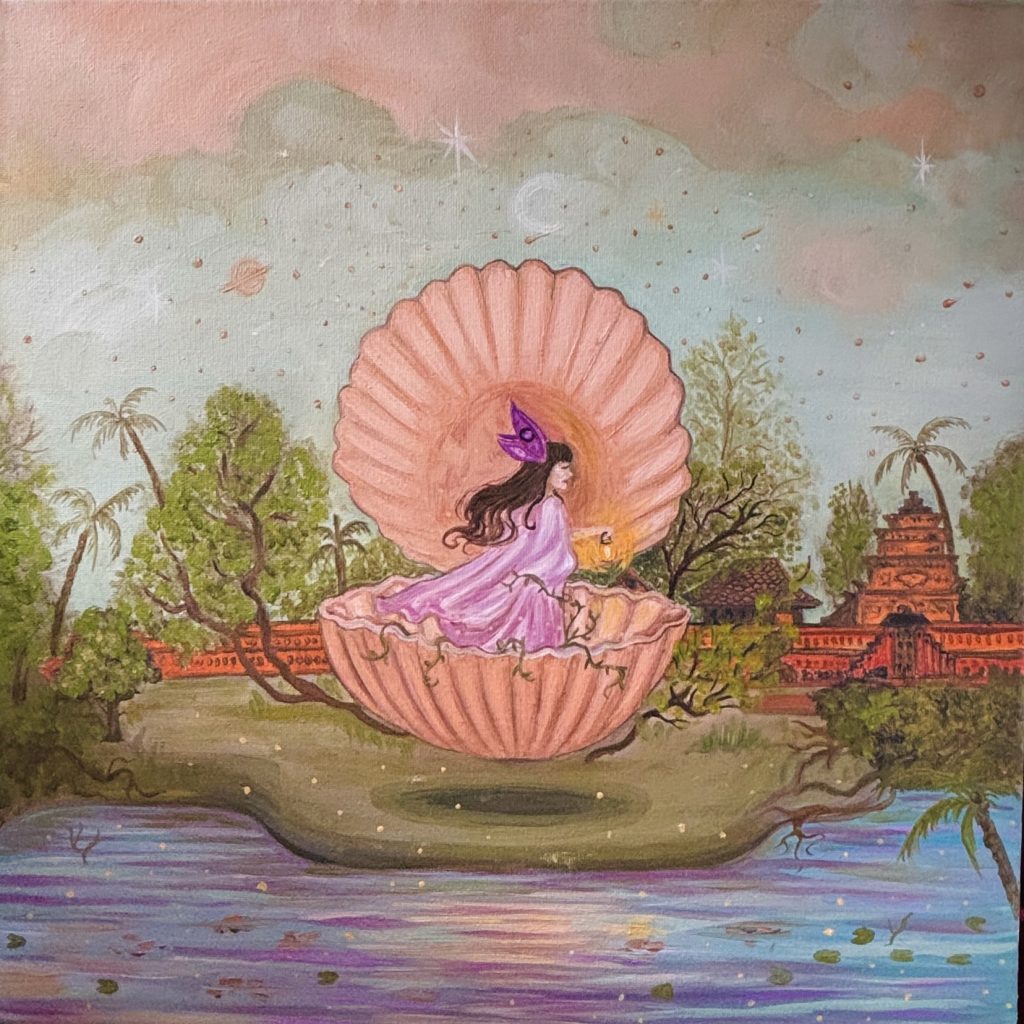
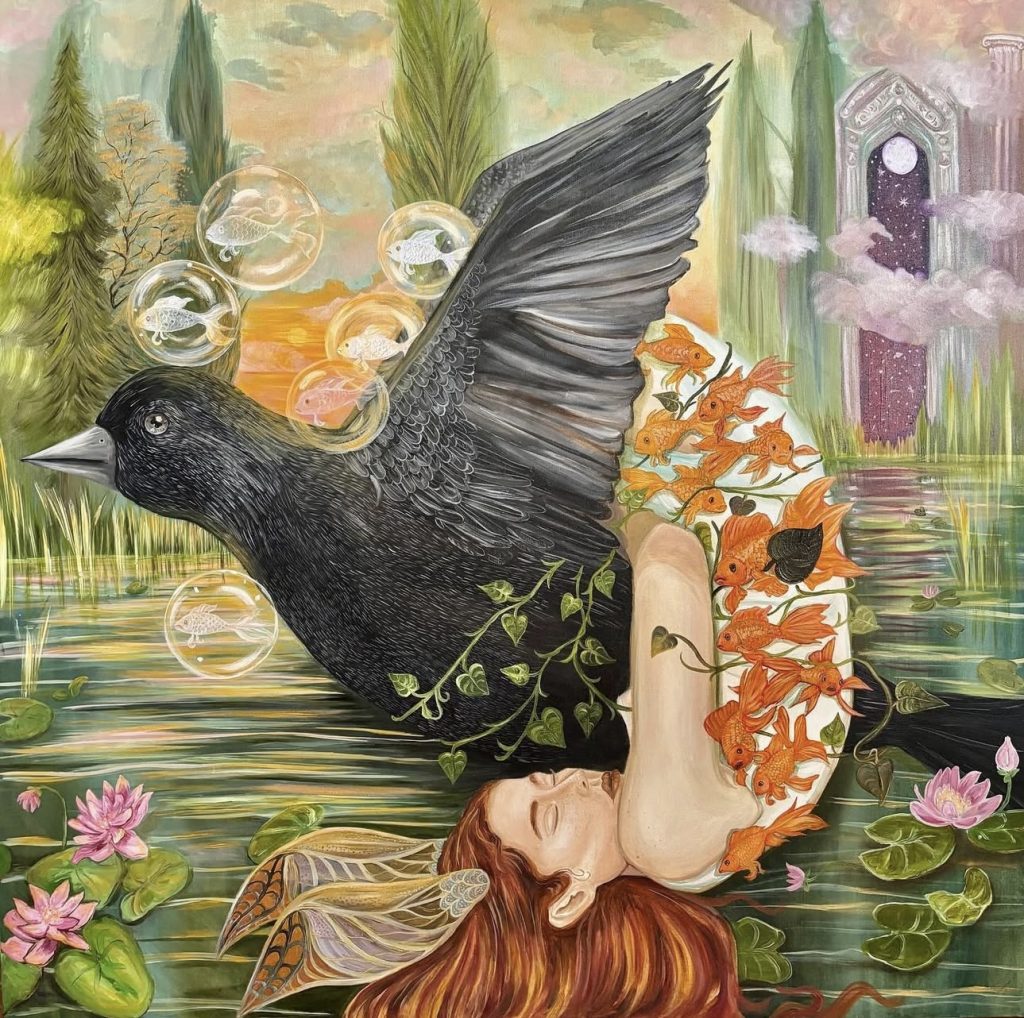
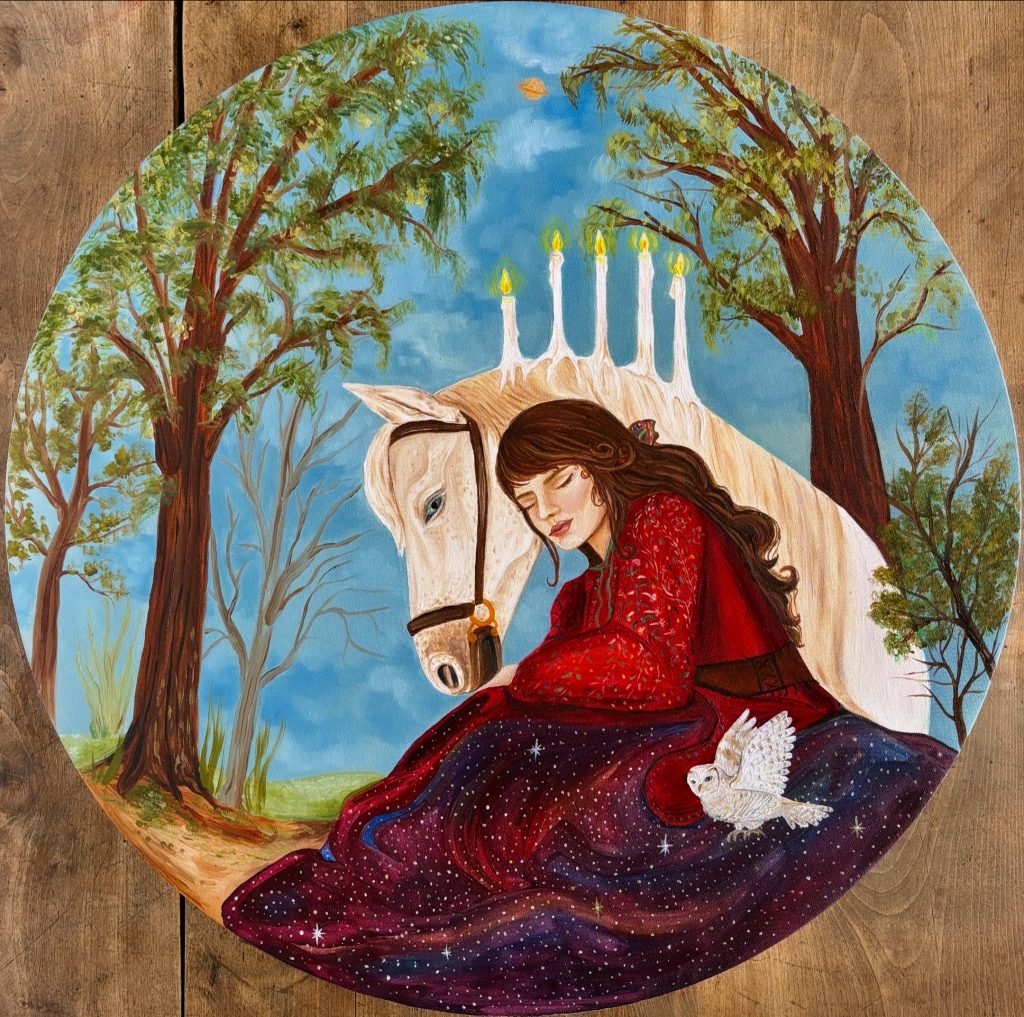
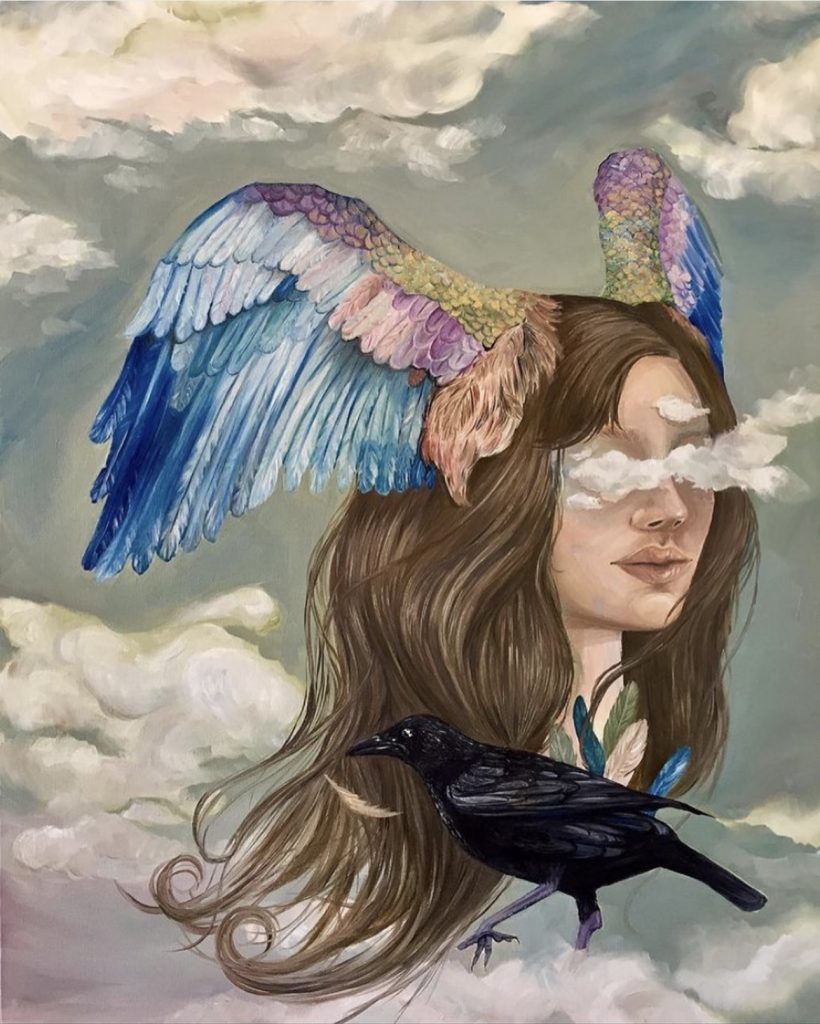
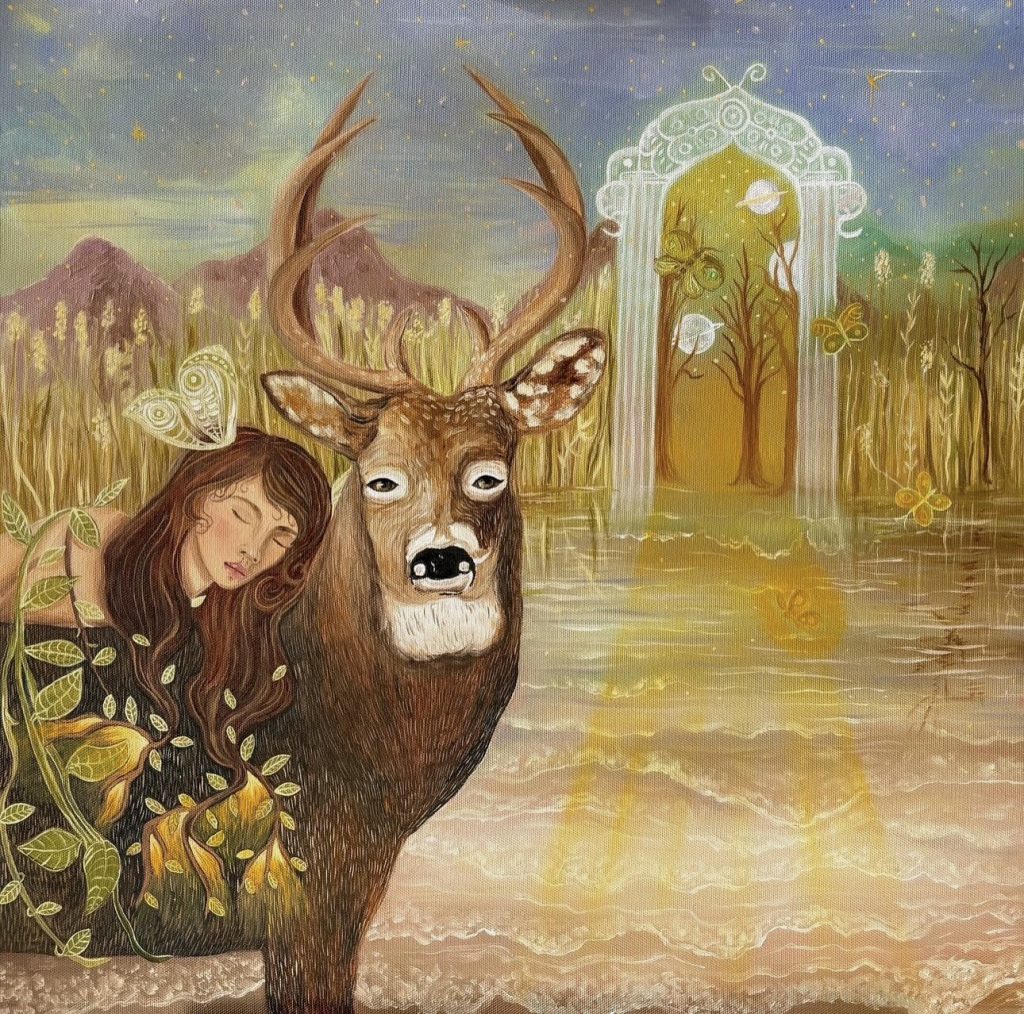
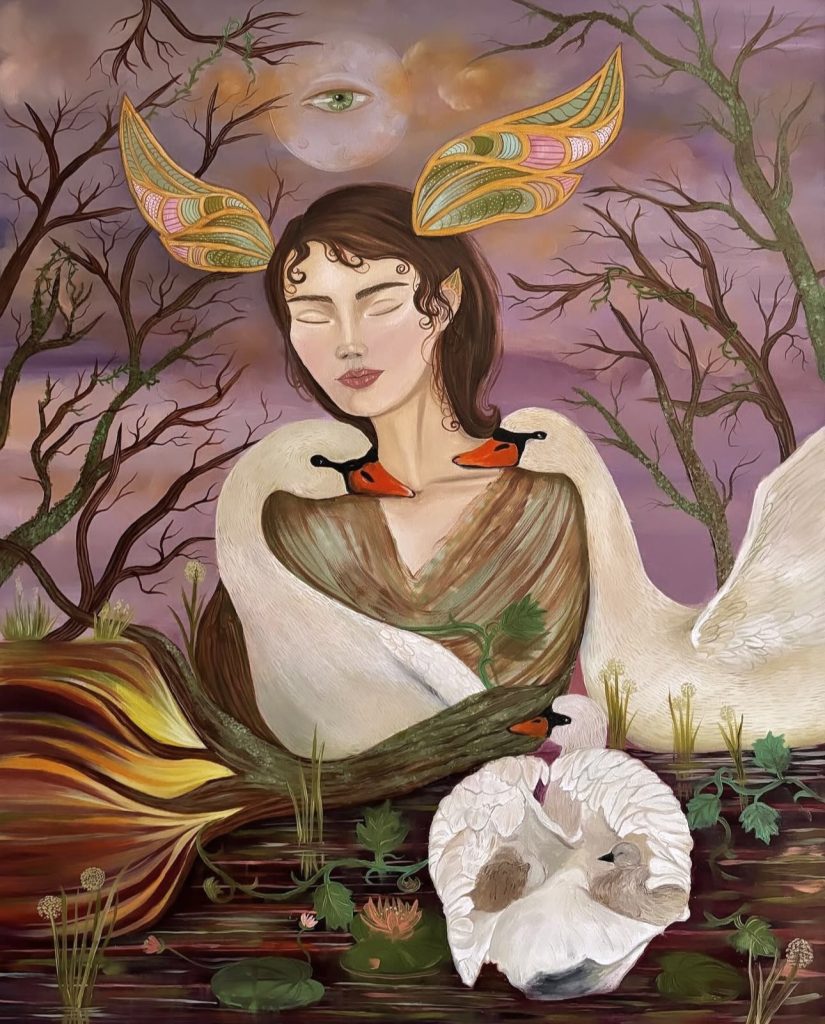
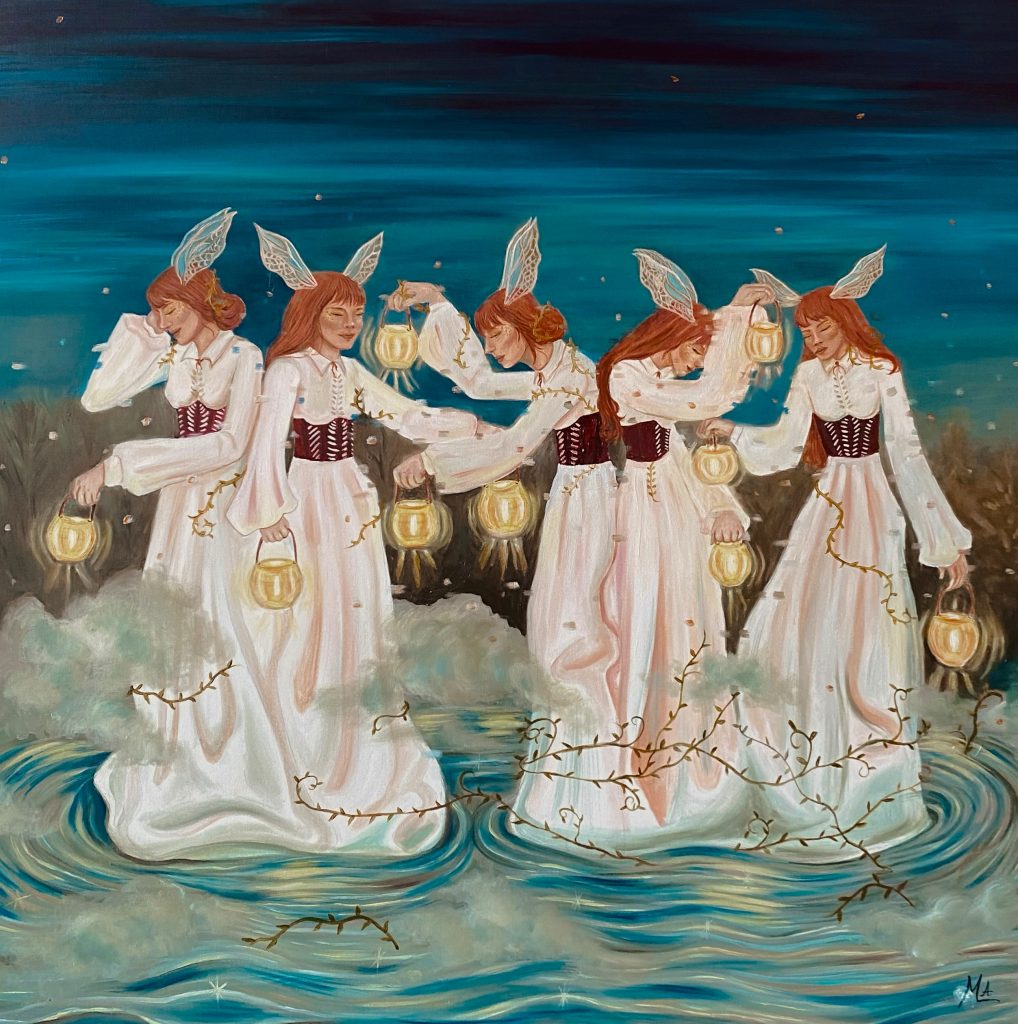
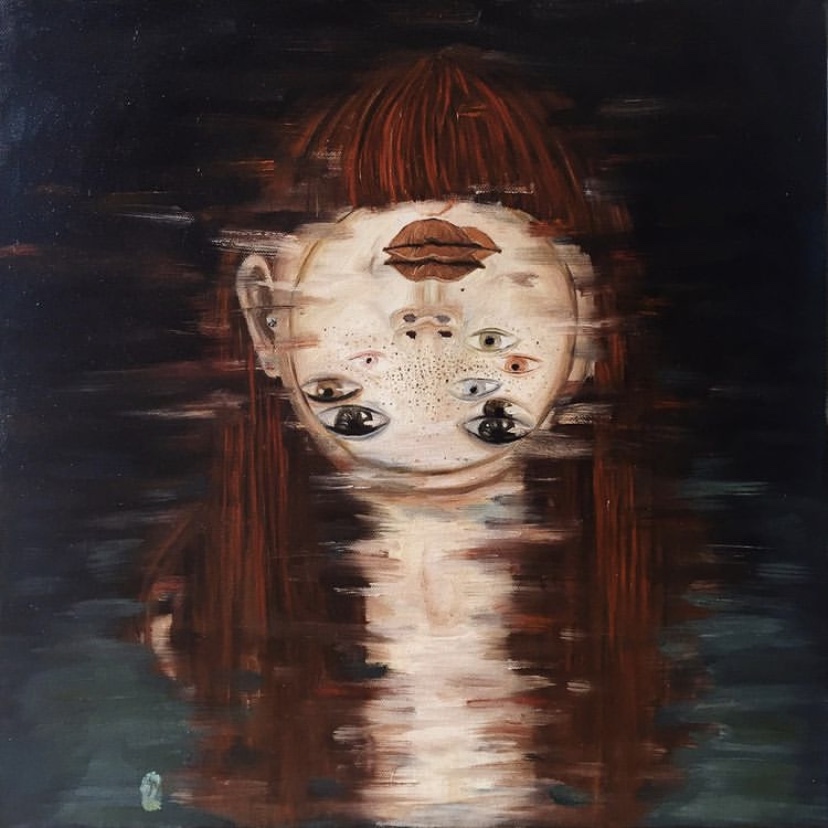
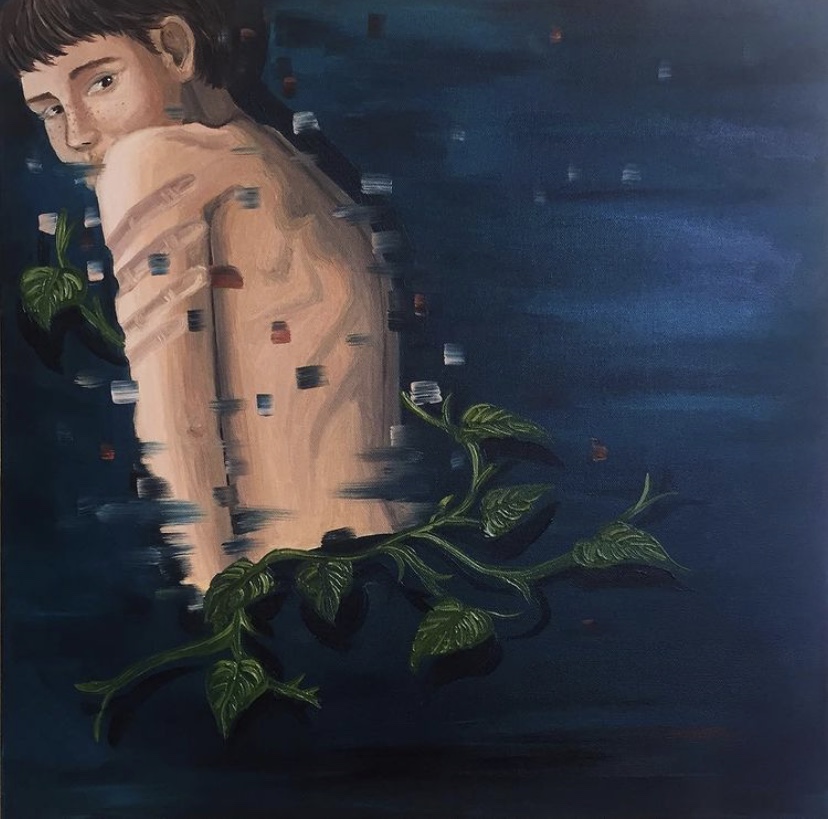
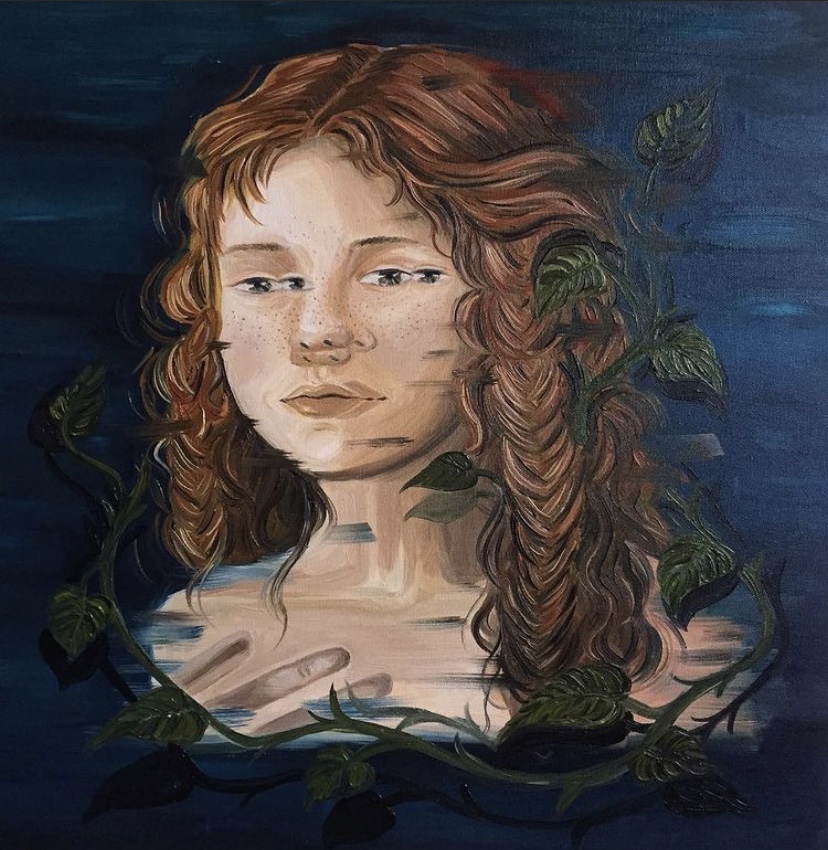
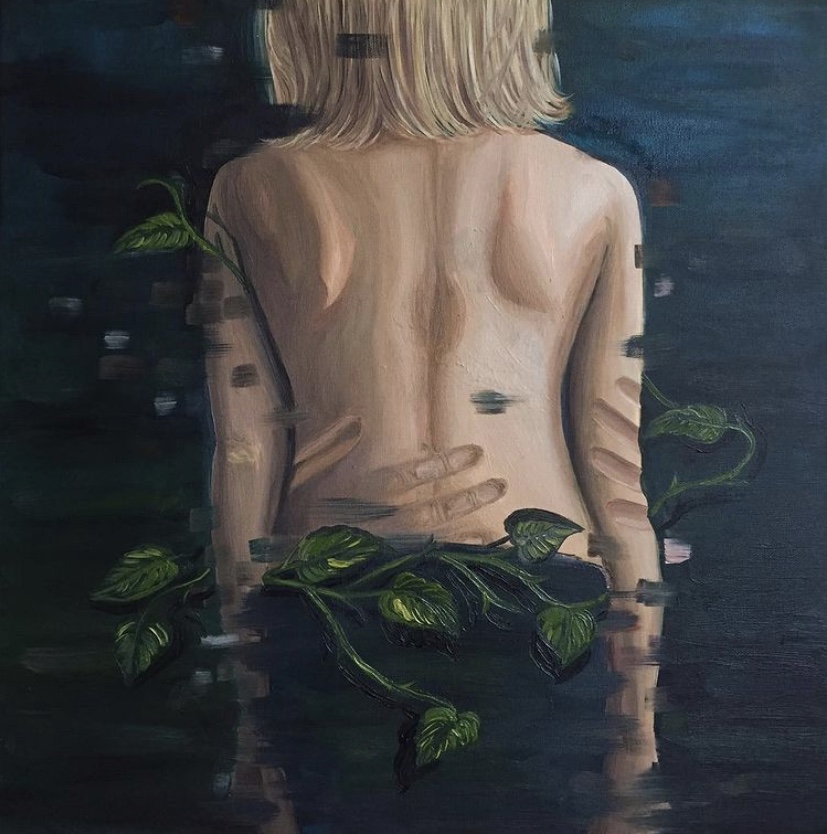
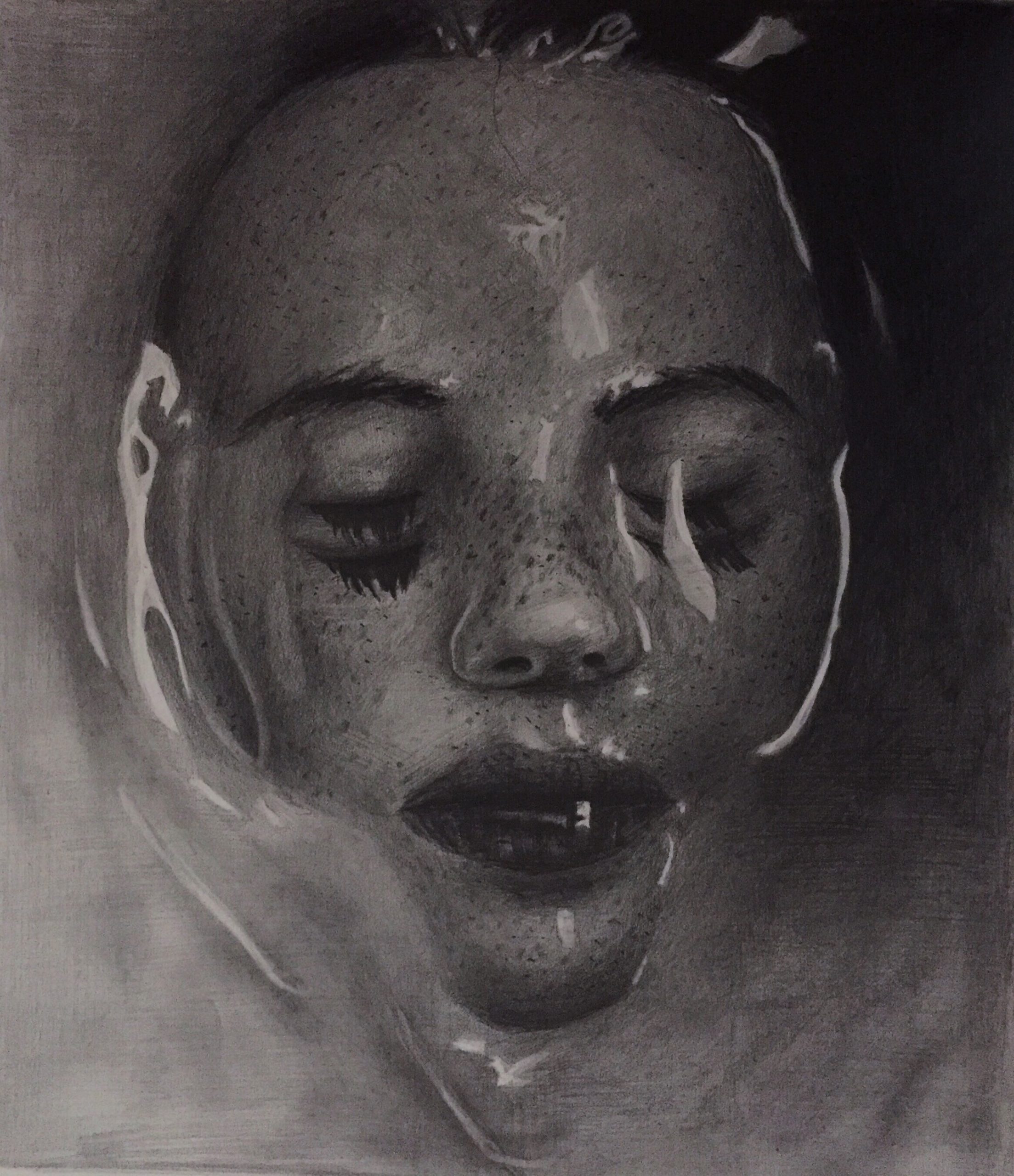
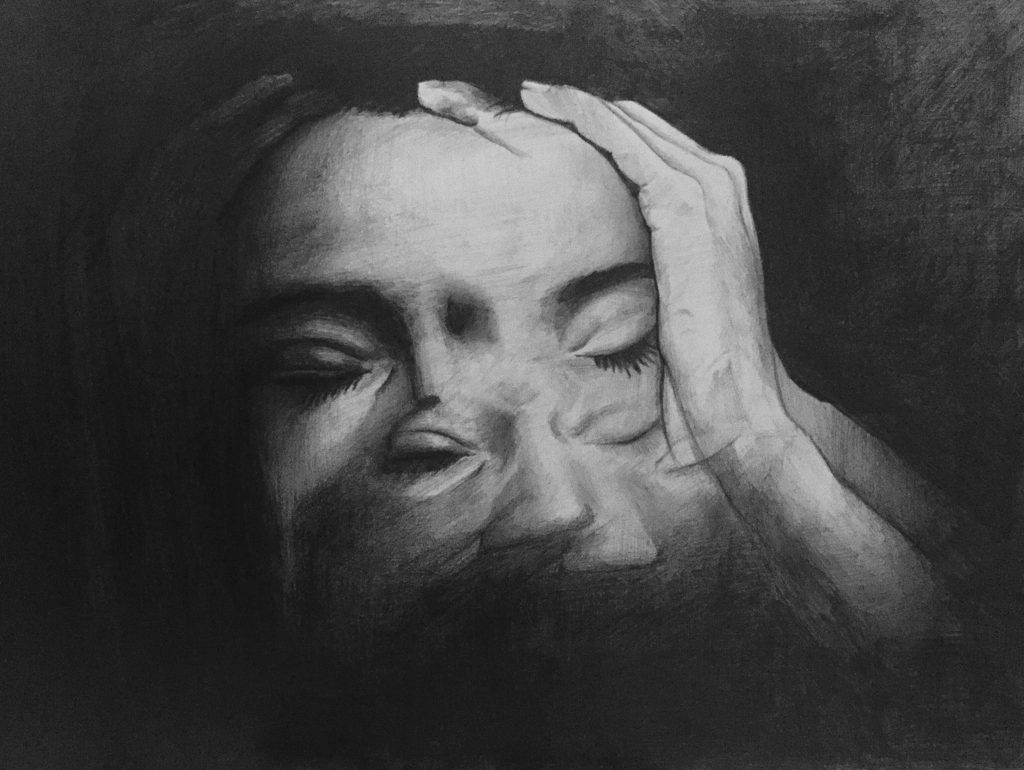
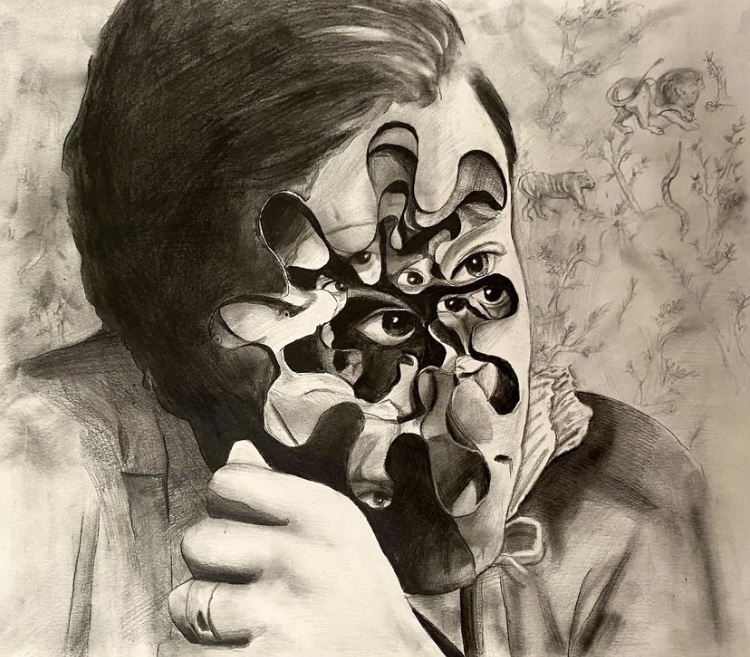
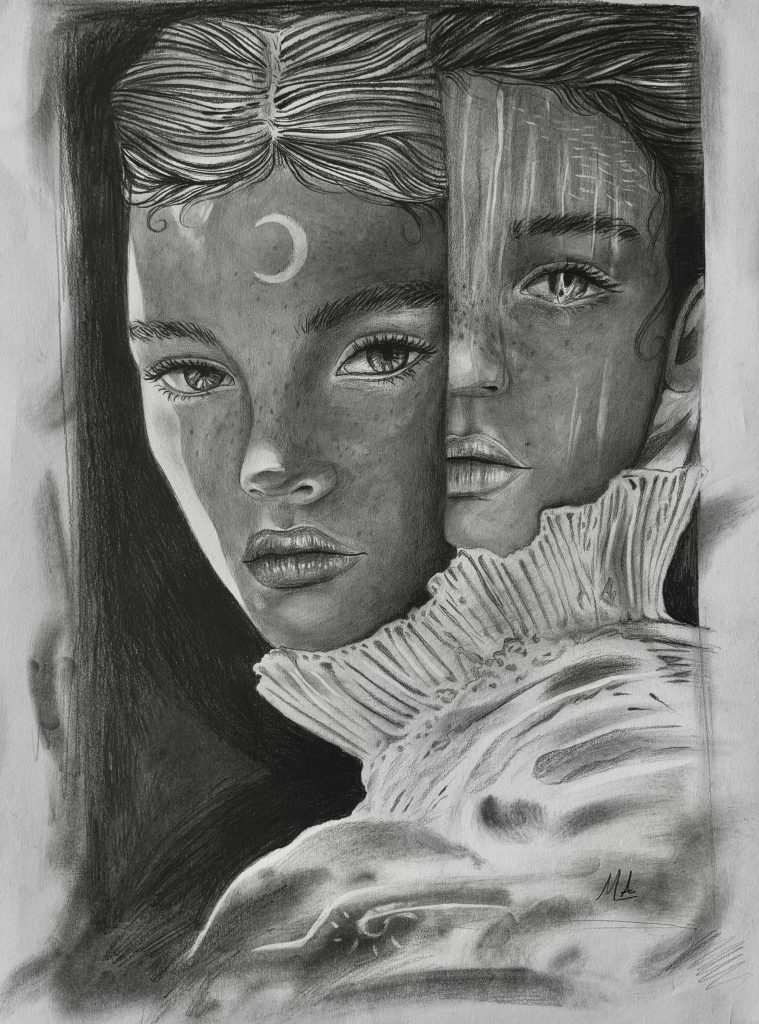
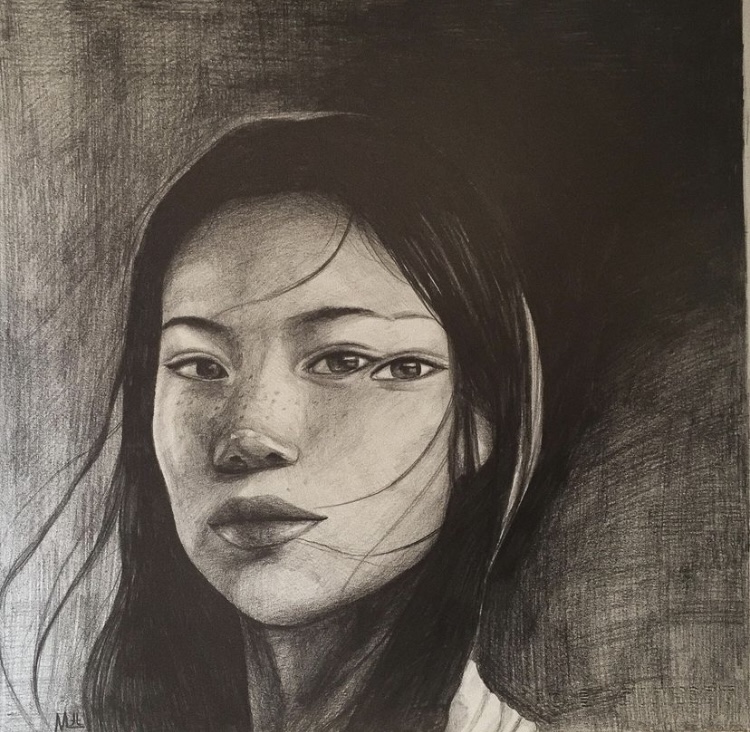
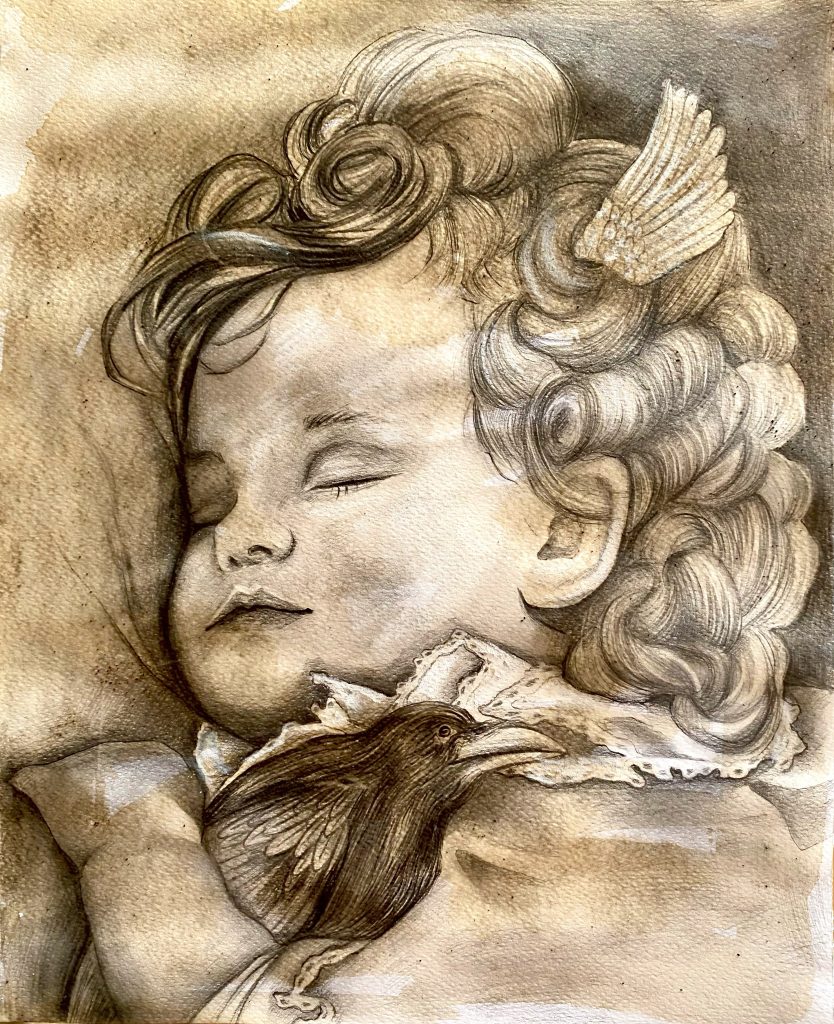
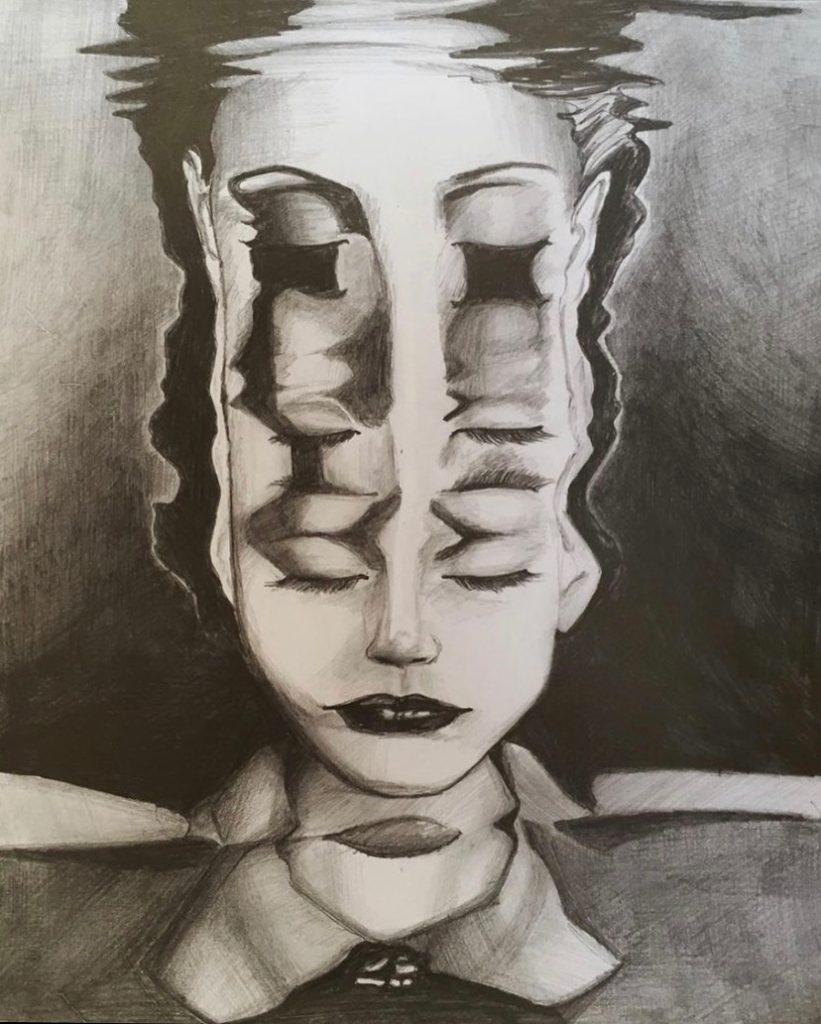
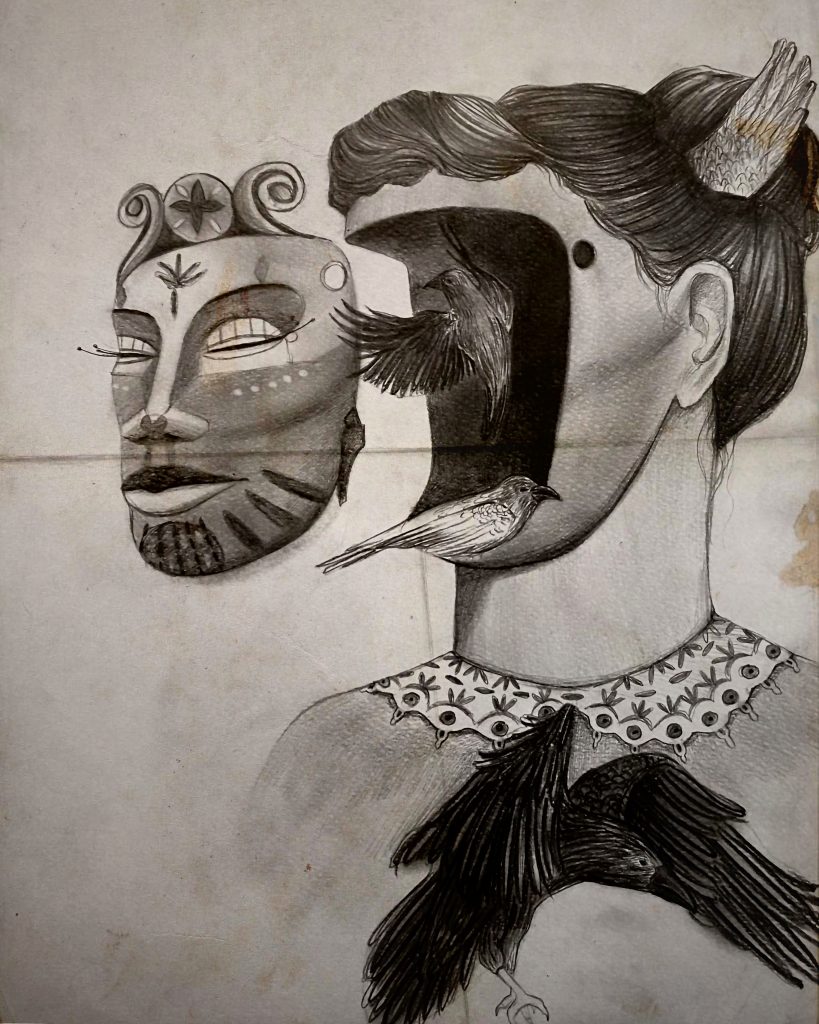
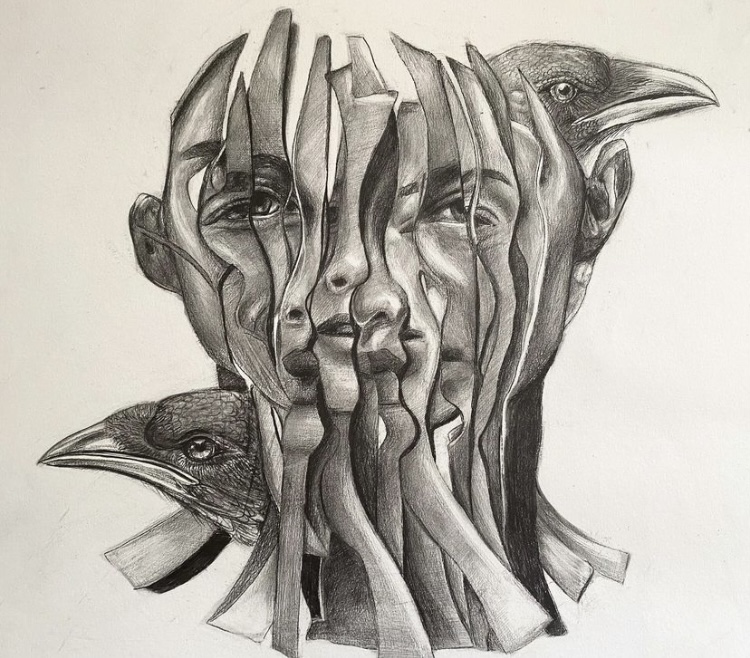
This series follows the subtle marks left by inner movements. Rather than depicting fixed identities, the works trace fleeting states of perception and memory. Each figure emerges as a residue — a fragile imprint of something once felt but never fully defined.
The lines do not construct certainty; they register presence. What remains on the surface is not a portrait, but an echo — a quiet testimony of an internal shift.
The Dissolution of Form
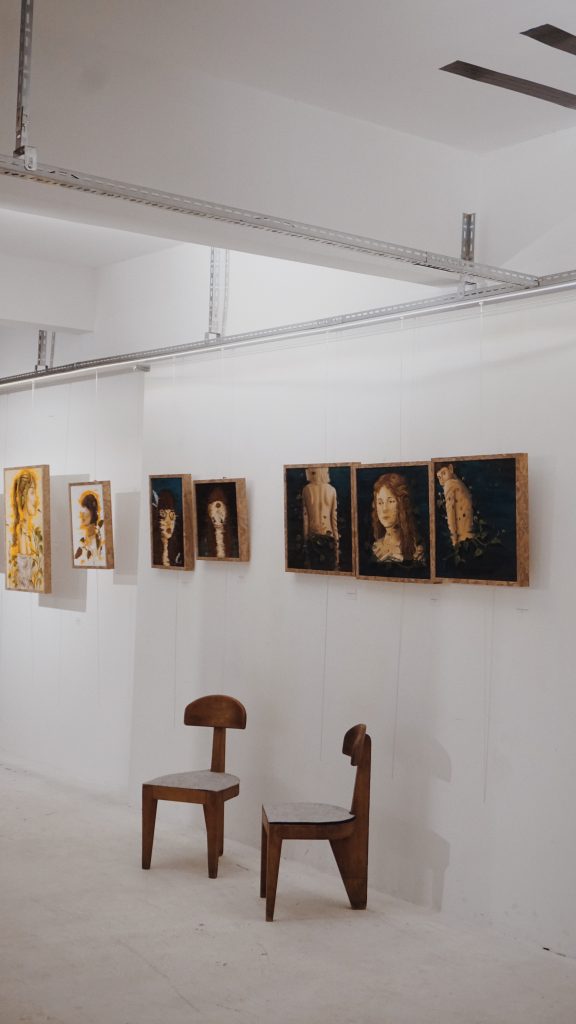
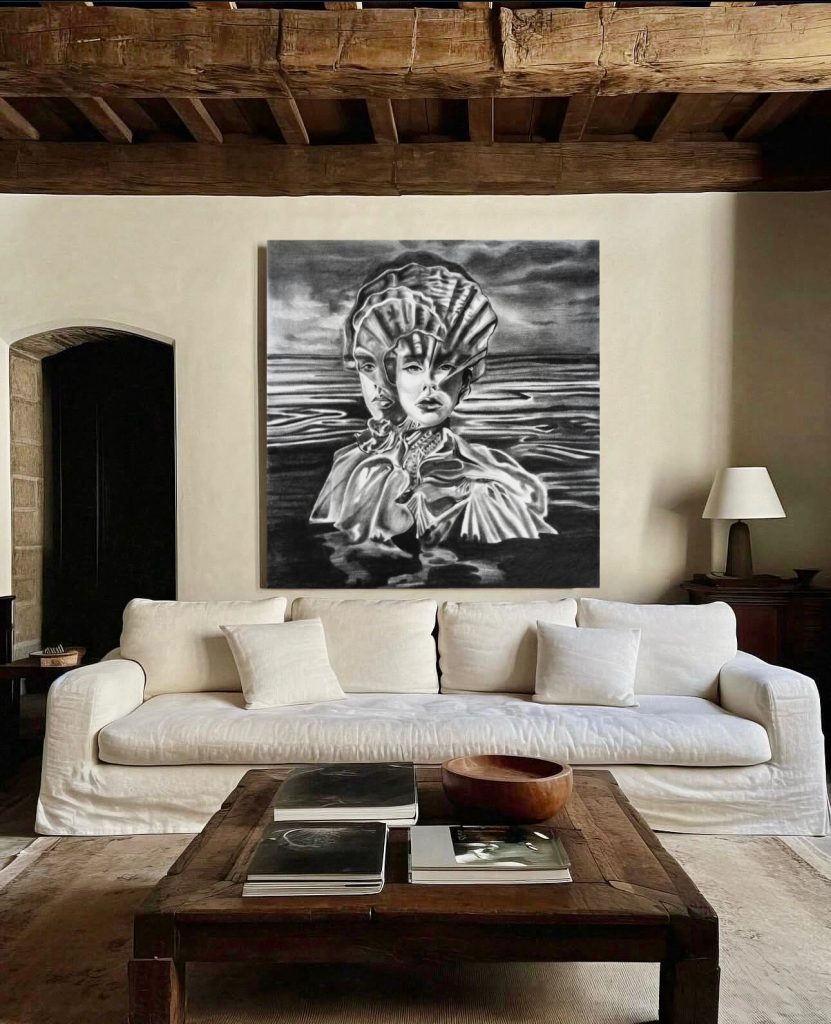
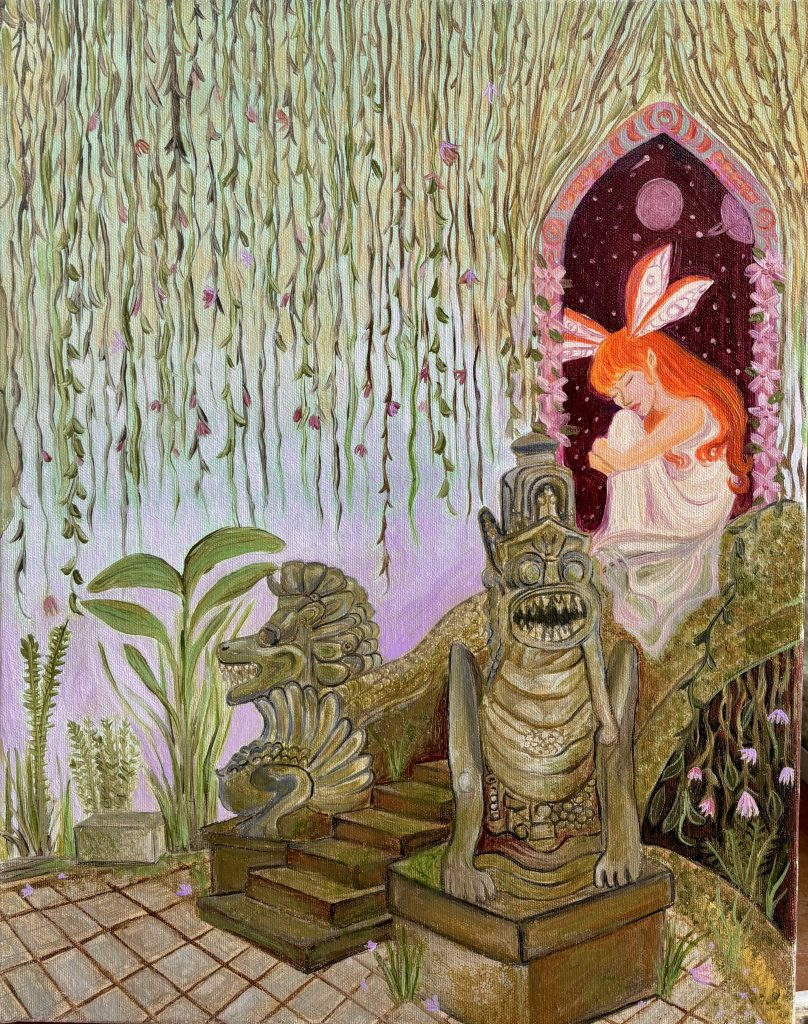
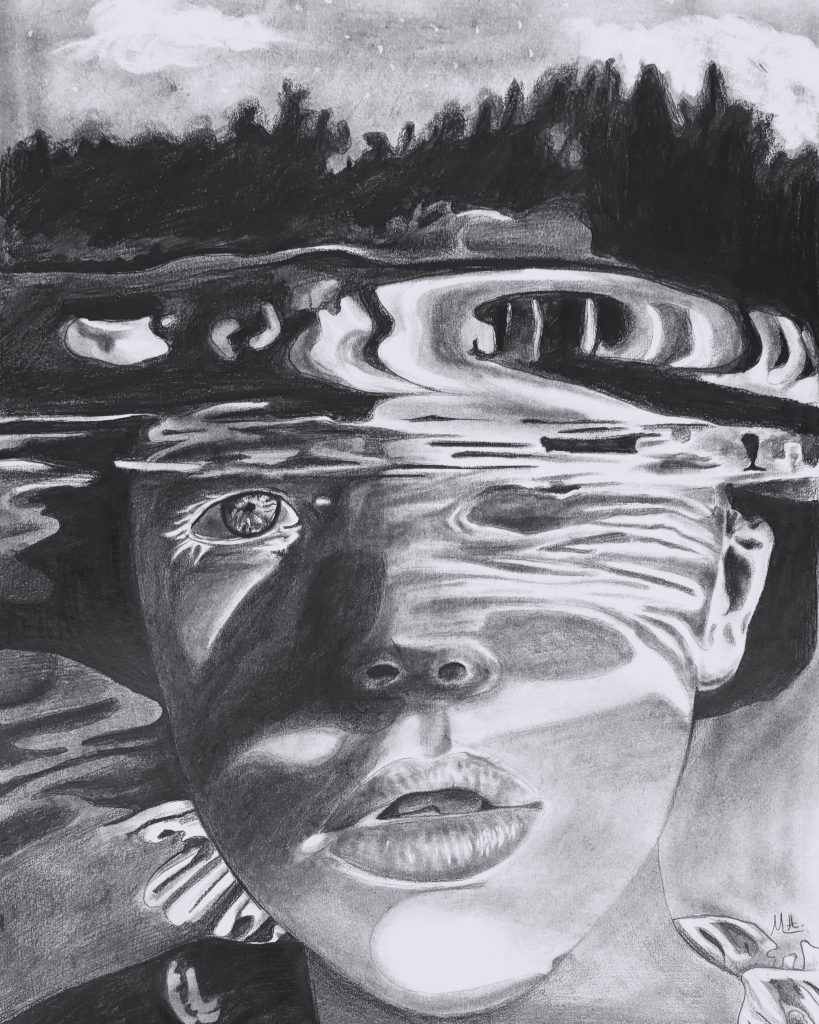
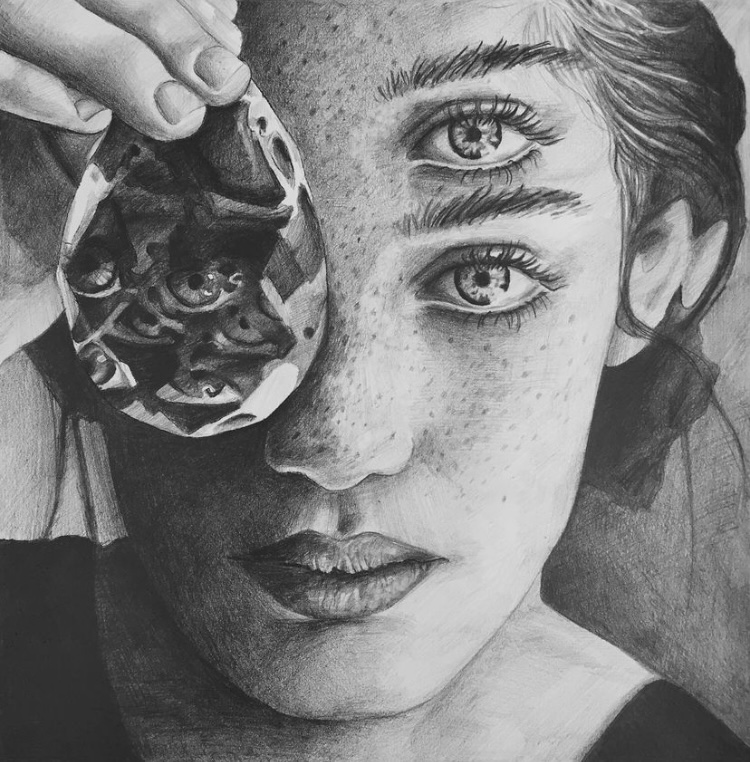
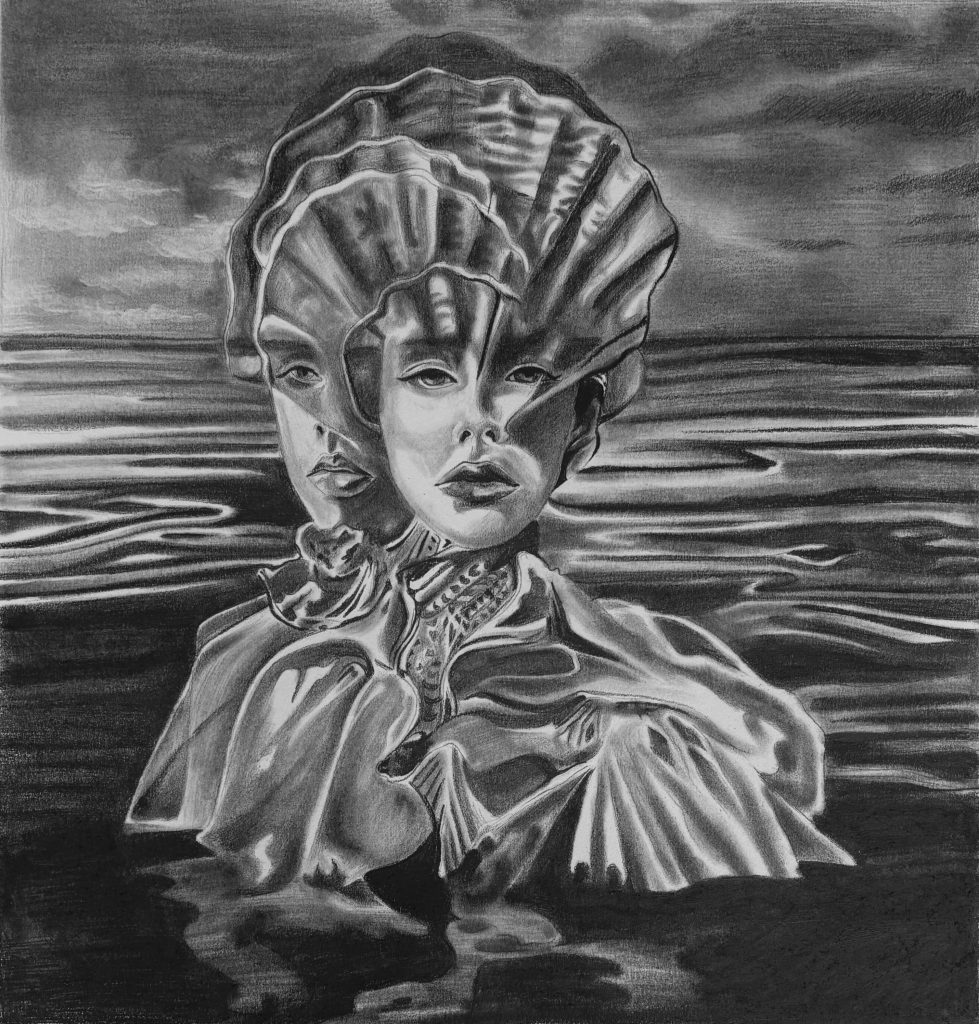
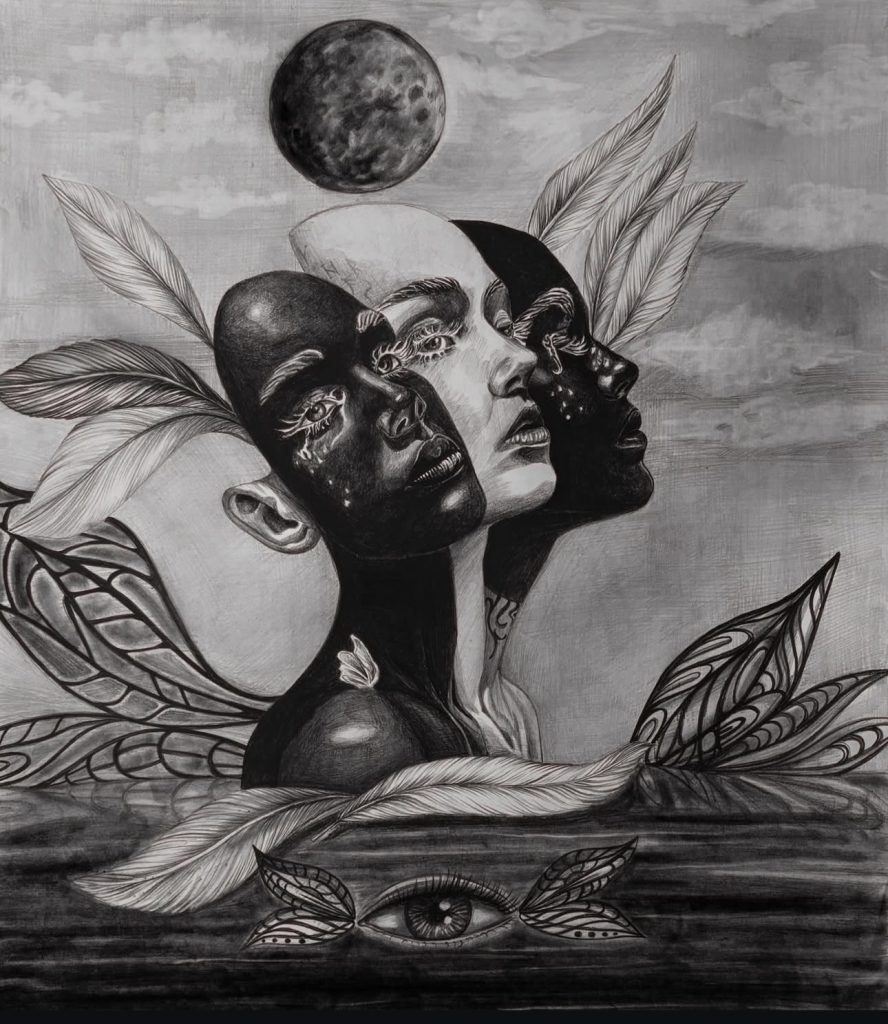
‘In this series, I explore the subtle tension between what is visible and what is sensed. I am less interested in constructing solid identities than in tracing the fragile thresholds where form begins to dissolve. The figures that appear on the surface are not portraits; they are transient configurations of memory, intuition, and subconscious movement.
Rather than representing a fixed reality, these works unfold as processes of becoming. Each body emerges from layers of erasure and reconstruction, carrying the instability of something still in formation. Visibility, in this context, is not a statement of certainty but a temporary crystallization of inner energy.
The surface becomes a site of negotiation between presence and absence. What seems tangible often points toward the immaterial; what appears silent contains an underlying vibration. Through this oscillation, I attempt to approach a deeper pulse — one that exists beneath narrative, beyond identity, and prior to language.
These works do not aim to explain. They invite a slower encounter, where perception shifts from looking at an image to sensing its internal resonance.’
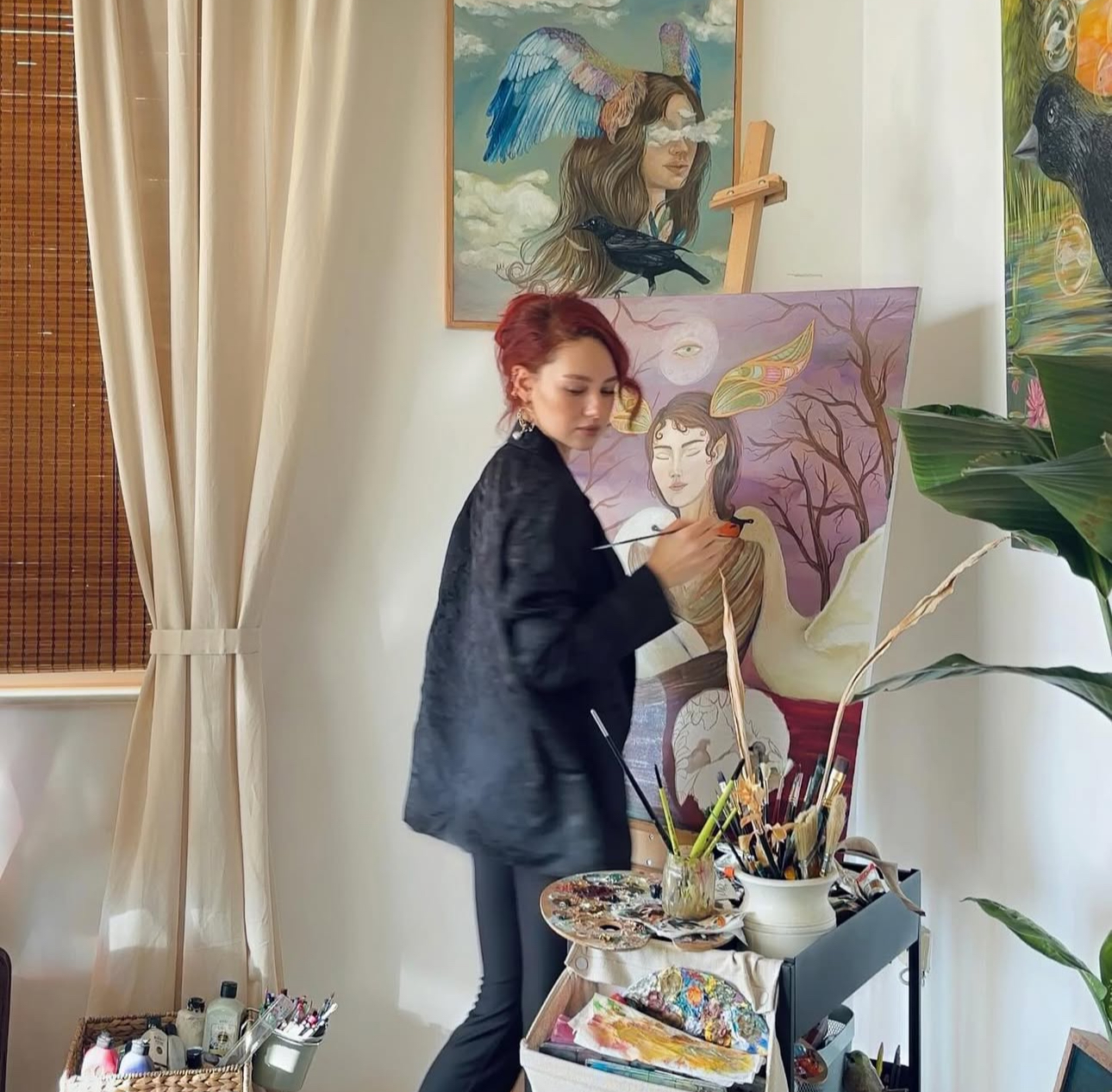
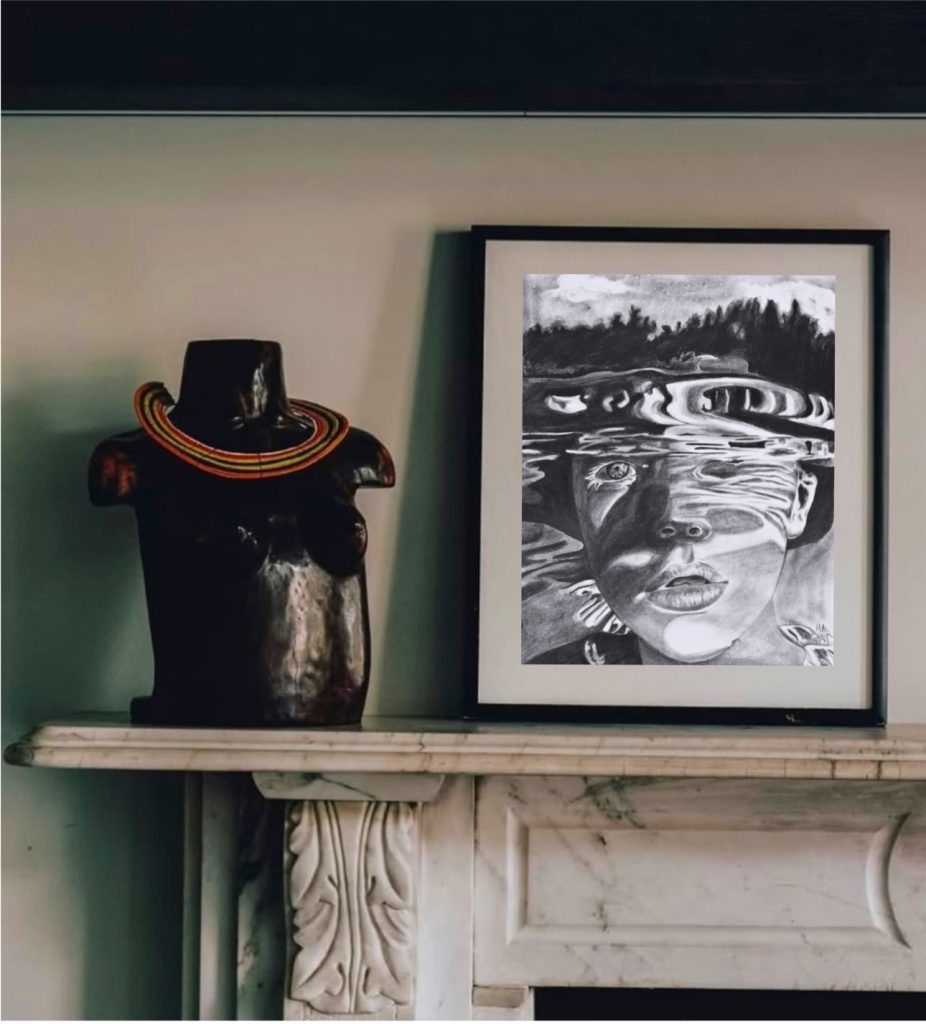
Between Surface and Depth
What is seen is never all there is.
Lines, shades, and contours hint at what lies beneath.
Presence drifts between visibility and the hidden; form is a suggestion, not a statement.
The surface holds tension, the depth holds resonance.
Here, looking becomes sensing, and the silent spaces speak.